Laser Piles & Fissure Surgery
Expert evaluation and patient-centred treatment using modern surgical planning and minimally invasive techniques where appropriate.
Key Benefits
Minimal Scars
Discomfort
Shorter Stay
Infection
Daily Activities
Laser surgery for haemorrhoids and fissure may help selected patients with piles, anal fissure, bleeding, pain, and discomfort through less invasive treatment planning.
Laser Surgery for Haemorrhoids, Fissure
Piles and anal fissures are common anorectal conditions, but many patients delay treatment because of embarrassment, fear of surgery, or the belief that symptoms will go away on their own. While mild symptoms may improve with diet, medicines, and lifestyle changes, persistent bleeding, pain, swelling, burning, itching, or difficulty passing stools should be evaluated by a specialist.
If you are searching for Laser Piles Surgery in Vijayawada, Laser Treatment for Haemorrhoids in Vijayawada, Laser Surgery for Fissure in Vijayawada, a Piles Specialist in Vijayawada, Anal Fissure Treatment in Vijayawada, or the Best Gastroenterologist in Vijayawada, Dr. Veeramachaneni Srinivas offers expert evaluation and advanced treatment options for piles, fissure, and anorectal symptoms.
Dr. Veeramachaneni Srinivas, MS, PDCC, FMAS, FIAGES, is an Advanced Gastro & Laparoscopic Surgeon in Vijayawada with experience in gastrointestinal, laparoscopic, and anorectal surgical care. He provides personalized treatment planning using medical management, lifestyle correction, conventional surgery, and laser-assisted techniques where appropriate.
Patients from Vijayawada and nearby areas such as Benz Circle, Governorpet, Patamata, Auto Nagar, Gollapudi, Tadepalli, Mangalagiri, and Guntur can consult Dr. Veeramachaneni Srinivas for confidential, patient-friendly care.
To book an appointment, call 083339 44545.
What are Haemorrhoids (Piles)?
Haemorrhoids, commonly called piles, are swollen blood vessels in and around the anus or lower rectum. They may be internal, external, or mixed. Internal piles occur inside the rectum and may cause painless bleeding during stools. External piles occur around the anal opening and may cause pain, swelling, itching, or a tender lump.
Piles are often linked to constipation, straining, prolonged sitting on the toilet, low-fibre diet, pregnancy, obesity, and sedentary habits. In the early stage, piles may improve with medicines, stool softeners, fibre intake, hydration, and lifestyle changes. However, advanced, bleeding, prolapsed, painful, or recurrent piles may need procedural or surgical treatment.
Laser piles surgery is a minimally invasive option for selected patients. It aims to shrink or treat haemorrhoidal tissue using controlled laser energy, with less tissue trauma in suitable cases.
What is an Anal Fissure?
An anal fissure is a small tear or cut in the lining of the anal canal. It often causes sharp pain during bowel movements and burning pain that may continue afterward. Some patients also notice bright red blood on toilet paper or in the stool.
Acute fissures may heal with conservative treatment such as fibre, fluids, stool softeners, warm sitz baths, and medicines. Chronic fissures may persist due to repeated trauma, hard stools, anal sphincter spasm, poor blood supply to the fissure area, or delayed treatment.
For chronic or non-healing fissures, advanced treatment options may be considered. Laser-assisted fissure surgery may be suitable in selected cases after specialist evaluation. The treatment plan depends on fissure duration, severity, sphincter tone, associated piles, infection, and patient comfort.
- Causes and Risk Factors
Piles and fissures often develop due to repeated pressure, trauma, or irritation in the anal region.
- Chronic Constipation
Constipation is one of the most common causes of piles and fissures. Hard stools can stretch and injure the anal lining, while repeated straining increases pressure on haemorrhoidal veins.
- Straining During Bowel Movements
Excessive straining can worsen piles, cause bleeding, and prevent fissures from healing. Straining is often linked to constipation, low fibre intake, dehydration, and poor toilet habits.
- Low-Fibre Diet
A diet low in fruits, vegetables, whole grains, and fluids can lead to hard stools. This increases the risk of bleeding piles, fissures, and painful bowel movements.
- Pregnancy
Pregnancy increases pressure on pelvic veins and may cause constipation. This can trigger or worsen piles. Many women experience piles during pregnancy or after delivery.
- Obesity
Excess body weight increases pressure on the pelvic and rectal veins, raising the risk of piles and recurrence.
- Sedentary Lifestyle
Long sitting hours, lack of exercise, and reduced bowel movement regularity can contribute to constipation and anorectal problems.
Other risk factors include chronic diarrhea, heavy lifting, prolonged toilet sitting, aging, family tendency, low water intake, and delayed treatment of early symptoms.
Common Symptoms of Piles and Fissure
Piles and fissures can have overlapping symptoms, but they are different conditions. Accurate diagnosis is important before treatment.
- Bleeding During Passing Stools
Bright red bleeding during or after stool passage may occur with internal piles or fissures. Any rectal bleeding should be evaluated to rule out other causes.
- Pain During Bowel Movements
Fissures commonly cause sharp cutting pain during stool passage. External piles or thrombosed piles can also cause significant pain.
- Anal Swelling
Swelling near the anus may occur due to external piles, prolapsed internal piles, thrombosed piles, abscess, or other anorectal conditions.
- Itching and Irritation
Moisture, mucus discharge, skin irritation, and repeated wiping can cause itching around the anus.
- Burning Sensation
Burning pain after passing stools is common in fissures and irritated piles.
- Lump Near the Anal Opening
A lump may be due to external piles, prolapsed piles, thrombosed piles, skin tags, abscess, or other conditions. Specialist examination is recommended.
Other symptoms may include mucus discharge, incomplete evacuation, discomfort while sitting, fear of passing stools, and recurrent constipation.
When Should You Consult a Specialist?
You should consult a specialist if symptoms are persistent, recurrent, painful, or associated with bleeding.
Book an appointment with Dr. Veeramachaneni Srinivas if you have:
- Bleeding during stools
- Pain while passing stools
- Burning pain after bowel movements
- Anal swelling or lump
- Itching or irritation
- Recurrent constipation with pain
- Piles coming out during stools
- Painful external piles
- Chronic fissure not healing
Symptoms returning after medicines
- Difficulty sitting due to pain
- Suspected abscess or pus discharge
- Family history of colorectal disease
- Age above 40 with new rectal bleeding
Appointment CTA: For Laser Piles Surgery in Vijayawada or Anal Fissure Treatment in Vijayawada, call 083339 44545.
- Diagnosis and Clinical Evaluation
Diagnosis begins with a private and respectful consultation. Many patients feel hesitant to discuss anorectal symptoms, but early evaluation can prevent complications and improve quality of life.
- Medical History
The doctor asks about bleeding, pain, constipation, stool habits, diet, previous treatments, pregnancy history, weight, medicines, and duration of symptoms.
- Physical Examination
A gentle examination helps identify piles, fissure, swelling, skin tags, infection, or other anorectal problems.
- Proctoscopy or Anoscopy
A small instrument may be used to examine the anal canal and lower rectum. This helps confirm internal piles and assess severity.
- Colonoscopy When Needed
If bleeding is unexplained, recurrent, associated with weight loss, bowel habit changes, anemia, or age-related risk, colonoscopy may be advised to rule out other causes.
- Grading of Piles
Piles may be graded based on prolapse and severity. This helps decide whether medicines, office procedures, laser treatment, or conventional surgery is suitable.
Accurate diagnosis is essential because not every anal pain or bleeding is due to piles or fissure.
What is Laser Surgery for Haemorrhoids and Fissure?
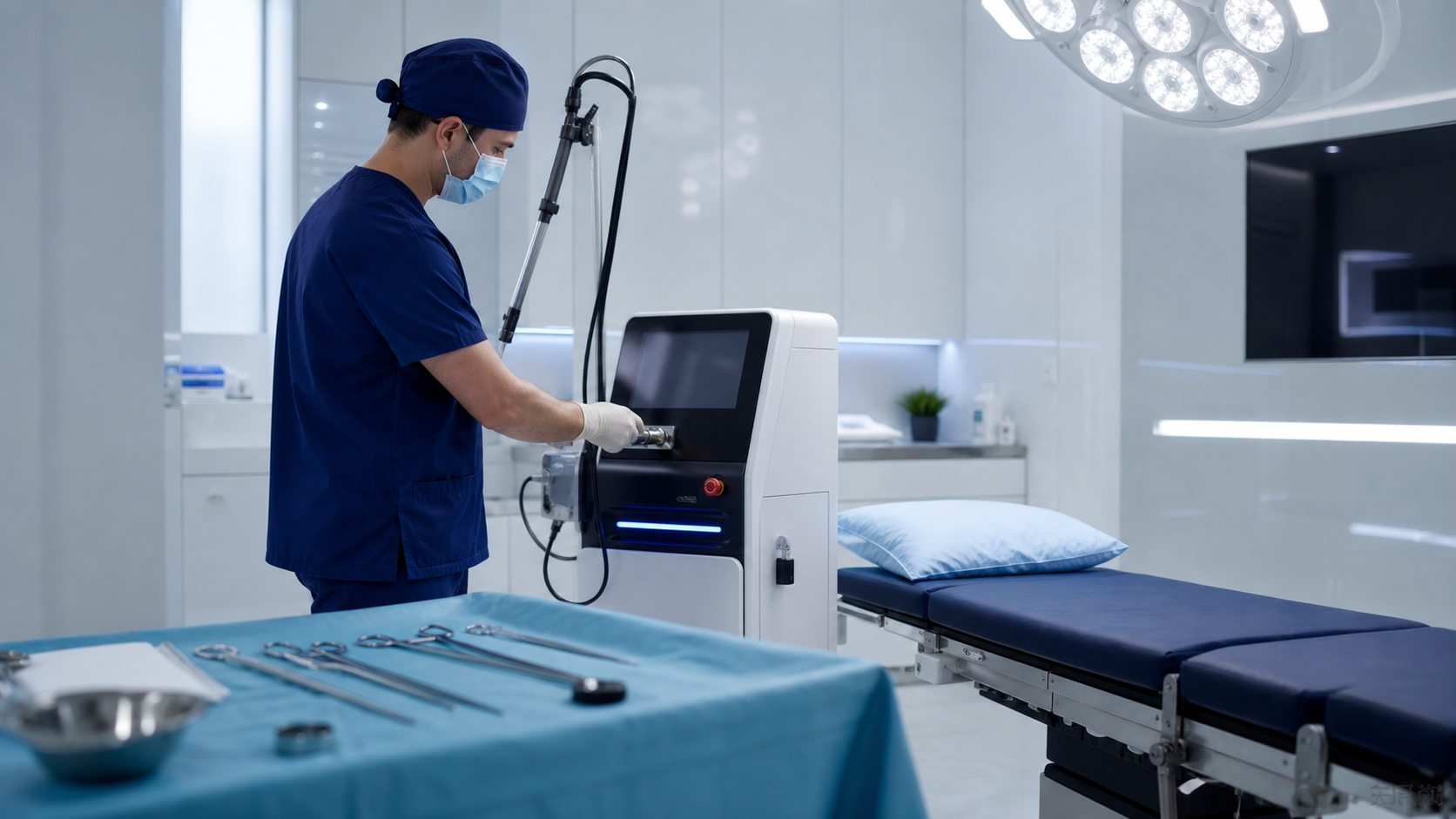
Laser surgery uses controlled laser energy to treat selected anorectal conditions with minimal tissue damage compared with some conventional approaches. In piles, laser energy may be used to shrink haemorrhoidal tissue and reduce blood supply. In fissure treatment, laser-assisted procedures may be used in selected chronic cases depending on the underlying cause.
Laser treatment is not automatically required for every patient. Mild piles and acute fissures may improve with medicines and lifestyle changes. Laser or surgical treatment is considered when symptoms are persistent, severe, recurrent, prolapsed, bleeding, or not responding to conservative care.
For patients searching for Laser Treatment for Haemorrhoids in Vijayawada or Laser Surgery for Fissure in Vijayawada, Dr. Veeramachaneni Srinivas provides careful evaluation and explains whether laser is suitable.
How Laser Treatment Works
Laser treatment uses focused energy to target diseased tissue while aiming to reduce damage to surrounding tissue. The exact technique depends on whether the patient has piles, fissure, or combined anorectal disease.
- For Piles
Laser energy may be delivered into haemorrhoidal tissue to shrink the piles, reduce vascularity, and support healing. The goal is to reduce bleeding, swelling, and prolapse in suitable cases.
- For Fissure
Laser-assisted treatment may be considered for chronic fissure or associated fibrotic tissue in selected patients. Some patients may need additional procedures depending on sphincter spasm, fissure depth, and chronicity.
- Anesthesia and Hospital Stay
Laser procedures may be done under local, spinal, or general anesthesia depending on the condition and surgical plan. Many suitable patients may be discharged the same day or after a short hospital stay, based on recovery and medical advice.
- Laser Surgery for Piles
Laser piles surgery may be considered for patients with symptomatic piles that do not improve with medicines and lifestyle measures. It may be suitable for selected internal piles, bleeding piles, or prolapsed piles depending on grade and examination findings.
- When Laser Piles Surgery May Be Recommended
- Recurrent bleeding piles
- Prolapsed piles
- Piles not improving with medicines
- Pain or discomfort affecting daily life
- Recurrent swelling
- Patient preference for minimally invasive treatment
- Suitable anatomy and grade of piles
- Goals of Treatment
The goal is to reduce bleeding, shrink haemorrhoidal tissue, improve symptoms, and support faster recovery in appropriate patients.
- Laser Surgery for Anal Fissure
Anal fissure treatment depends on whether the fissure is acute or chronic. Acute fissures often improve with stool softeners, fibre, warm sitz baths, and medicines. Chronic fissures may need procedural treatment if symptoms persist.
Laser-assisted fissure surgery may be considered in selected patients with chronic fissure, recurrent pain, fibrotic edges, sentinel tag, or failure of medical treatment. The exact method depends on examination findings and surgeon assessment.
- When Laser Fissure Surgery May Be Considered
- Chronic fissure not healing
- Severe pain during stools
- Recurrent bleeding
Symptoms persisting despite medicines
- Associated sentinel tag or fibrosis
- Patient unable to tolerate repeated painful episodes
- Coexisting piles requiring treatment
The treatment plan should always be individualized to reduce recurrence and protect anal function.
Benefits of Laser Surgery
Laser treatment may offer several benefits for suitable patients. Results vary depending on severity, associated constipation, wound healing, and post-treatment care.
- Minimally Invasive
Laser procedures usually involve less cutting and tissue handling than some conventional procedures.
- Less Pain
Many patients experience less post-operative discomfort compared with more extensive open procedures, though pain levels vary.
- Minimal Bleeding
Laser energy may help seal small blood vessels, reducing bleeding during the procedure in suitable cases.
- Faster Recovery
Because tissue trauma may be lower, recovery can be faster for selected patients.
- Short Hospital Stay
Many laser anorectal procedures may be done as day care or short-stay procedures when medically appropriate.
- Quick Return to Daily Activities
Patients may return to normal routine earlier, depending on the procedure, pain level, occupation, and medical advice.
Consultation CTA: To know whether you are suitable for laser piles or fissure treatment in Vijayawada, call 083339 44545.
- Laser Surgery vs Conventional Surgery
Both laser and conventional surgery have important roles. The best option depends on the disease severity, grade of piles, fissure type, associated fistula, infection, previous treatment, and patient health.
Laser is not a “one-size-fits-all” solution. Some advanced, recurrent, infected, or complex anorectal conditions may need conventional surgery or a combined approach.
Who is a Candidate for Laser Treatment?
You may be a candidate for laser treatment if you have:
- Bleeding piles
- Symptomatic internal piles
- Selected prolapsed piles
- Chronic anal fissure
- Painful fissure not improving with medicines
- Piles and fissure together
- Recurrent symptoms after conservative treatment
- Desire for minimally invasive treatment
- Fitness for minor or day care surgery
Laser treatment may not be suitable for every patient, especially in cases of severe infection, abscess, complex fistula, suspected cancer, uncontrolled diabetes, bleeding disorders, or advanced anorectal disease needing a different procedure.
A proper diagnosis by a qualified surgeon is essential before choosing laser treatment.
Preparation Before Laser Surgery
Preparation helps improve comfort, safety, and recovery.
- Medical Review
Inform the doctor about diabetes, blood pressure, heart disease, asthma, kidney disease, thyroid disease, allergies, pregnancy, previous surgeries, and current medicines.
- Medication Guidance
Blood thinners, diabetes medicines, and certain supplements may need adjustment. Do not stop medicines without medical advice.
- Bowel Preparation
The doctor may advise stool softeners, mild bowel preparation, or enema depending on the procedure.
Diet Before Surgery
A light diet may be advised before the procedure. Follow fasting instructions if anesthesia is planned.
Tests
Blood tests, sugar levels, ECG, or other fitness tests may be needed depending on age and health condition.
- Counseling
Dr. Veeramachaneni Srinivas explains the procedure, anesthesia, expected recovery, pain control, diet, wound care, and recurrence prevention.
Recovery After Laser Surgery
Recovery after laser piles or fissure treatment is usually smoother for suitable patients, but individual healing varies.
- Immediately After Procedure
You may feel mild pain, burning, pressure, or discomfort. Pain medicines and local care help manage symptoms.
- Same-Day Discharge Where Appropriate
Many suitable patients may go home the same day after observation. Some may need a short hospital stay depending on anesthesia, pain control, bleeding, and medical condition.
- Bowel Movements
The first few bowel movements may cause discomfort. Stool softeners, fibre, fluids, and sitz baths help reduce strain.
- Wound Care
Follow instructions for hygiene, sitz baths, medications, and follow-up visits.
- Return to Work
Patients may return to routine work based on comfort, job type, and surgeon’s advice. Heavy lifting and prolonged sitting may need temporary restriction.
- Warning Signs
Contact your doctor if you develop heavy bleeding, fever, severe increasing pain, urinary difficulty, pus discharge, dizziness, or inability to pass stools.
- Post-Treatment Care and Lifestyle Modifications
Long-term success depends not only on surgery but also on preventing constipation and straining.
Diet Tips
- Eat fibre-rich foods
- Include fruits, vegetables, and whole grains
- Drink enough water
- Avoid excessive spicy and oily foods initially
- Limit processed foods
- Avoid alcohol if it worsens symptoms
- Use fibre supplements only if advised
- Toilet Habits
- Do not strain
- Do not sit on the toilet for long
- Avoid using mobile phone in the toilet
- Go when you feel the urge
- Keep stools soft
- Use gentle cleaning methods
- Activity
- Walk daily
- Avoid long sitting
- Maintain healthy weight
- Resume exercise gradually
- Avoid heavy lifting until advised
Follow-Up
Follow-up helps assess healing, adjust medicines, and identify recurrence early.
- Preventing Recurrence of Piles and Fissures
Piles and fissures may recur if constipation, straining, poor diet, or sedentary habits continue.
Prevention tips include:
- Maintain soft stools
- Eat a high-fibre diet
- Stay hydrated
- Avoid straining
- Treat constipation early
- Avoid prolonged toilet sitting
- Exercise regularly
- Manage weight
- Do not ignore early bleeding or pain
- Follow medical advice after surgery
Lifestyle correction is especially important after laser treatment to maintain results.
Risks of Delaying Treatment
Many patients delay piles and fissure treatment due to embarrassment. Delay can worsen symptoms and affect quality of life.
Possible risks include:
- Increased bleeding
- Worsening pain
- Chronic fissure formation
- Fear of passing stools
- Severe constipation due to stool avoidance
- Prolapsed piles
- Thrombosed external piles
- Infection or abscess
- Anemia from repeated bleeding
- Need for more extensive surgery later
- Persistent itching and irritation
- Reduced work productivity
- Sleep disturbance and stress
Rectal bleeding should never be ignored. It may be due to piles, fissure, polyps, inflammatory disease, or other serious conditions. Proper evaluation is important.
Why Choose Dr. Veeramachaneni Srinivas for Laser Piles & Fissure Surgery in Vijayawada?
Dr. Veeramachaneni Srinivas is an Advanced Gastro & Laparoscopic Surgeon with qualifications including MS, PDCC, FMAS, and FIAGES. He provides specialist care for piles, fissure, and anorectal symptoms with a focus on diagnosis, patient comfort, privacy, and long-term relief.
Expertise in Gastrointestinal and Anorectal Conditions
Dr. Veeramachaneni Srinivas evaluates bleeding, anal pain, fissures, piles, fistula symptoms, constipation-related problems, and other anorectal concerns.
- Advanced Laser and Minimally Invasive Options
For suitable patients, laser-assisted treatment may support less tissue trauma, minimal bleeding, shorter hospital stay, and faster recovery.
- Personalized Treatment Planning
Not every patient needs surgery. Treatment may include medicines, dietary correction, stool regulation, laser treatment, conventional surgery, or combined care depending on diagnosis.
- Confidential and Patient-Friendly Consultation
Anorectal symptoms can be sensitive. Dr. Veeramachaneni Srinivas provides respectful, private, and clear consultation so patients feel comfortable seeking care.
Patients from Vijayawada, Benz Circle, Governorpet, Patamata, Auto Nagar, Gollapudi, Tadepalli, Mangalagiri, and Guntur can access advanced anorectal surgical care closer to home.
Care includes not only treatment but also guidance on diet, bowel habits, hydration, activity, and follow-up.
If you are searching for Laser Piles Surgery in Vijayawada, Laser Surgery for Fissure in Vijayawada, or a Piles Specialist in Vijayawada, book a consultation with Dr. Veeramachaneni Srinivas.
Advanced Technology and Patient-Centered Care
Laser piles and fissure treatment requires the right diagnosis, careful patient selection, surgical precision, and structured recovery support.
Dr. Veeramachaneni Srinivas focuses on:
- Accurate clinical evaluation
- Respectful and confidential care
- Medical treatment before surgery where appropriate
- Laser-assisted options for suitable patients
- Safe anesthesia planning
- Minimal tissue trauma approach
- Pain management
- Same-day discharge where appropriate
- Clear post-operative instructions
- Constipation prevention
- Recurrence prevention guidance
The goal is to provide safe, ethical, and patient-centered anorectal care in Vijayawada.
Book Now: For expert laser piles and fissure consultation, call 083339 44545.
Frequently Asked Questions
Piles, or haemorrhoids, are swollen blood vessels in or around the anus and lower rectum. They may cause bleeding, itching, pain, swelling, or prolapse.
An anal fissure is a small tear in the lining of the anal canal. It commonly causes sharp pain during stools and bright red bleeding.
Dr. Veeramachaneni Srinivas, MS, PDCC, FMAS, FIAGES, is an Advanced Gastro & Laparoscopic Surgeon offering piles and fissure treatment in Vijayawada.
Laser piles surgery uses controlled laser energy to treat haemorrhoidal tissue in selected patients. It is a minimally invasive option for suitable cases.
Laser-assisted treatment may be considered for selected chronic fissures that do not heal with medicines and lifestyle changes. Suitability depends on examination.
Some discomfort may occur after the procedure, but many suitable patients experience less pain compared with more extensive conventional surgery.
Many suitable patients may be discharged the same day after observation, depending on anesthesia, recovery, bleeding, and overall health.
Symptoms may include bleeding during stools, anal swelling, itching, irritation, pain, mucus discharge, or a lump near the anus.
Fissure symptoms include sharp pain during stools, burning pain afterward, bleeding, spasm, and fear of passing stools.
Yes. Mild piles may improve with fibre, fluids, medicines, stool softeners, and lifestyle changes. Surgery is considered for persistent or advanced cases.
Acute fissures often heal with stool softeners, fibre, warm sitz baths, and medicines. Chronic fissures may need further treatment.
Recovery varies, but many patients return to routine activities earlier than with conventional surgery when the case is suitable and healing is smooth.
Recurrence is possible if constipation, straining, low-fibre diet, or prolonged toilet sitting continue. Lifestyle changes are important after treatment.
Any rectal bleeding should be evaluated, especially if it is recurrent, heavy, associated with pain, weight loss, bowel habit change, or age above 40.
To consult Dr. Veeramachaneni Srinivas for laser piles or fissure surgery in Vijayawada, call 083339 44545.
Piles and anal fissures can cause bleeding, pain, burning, swelling, itching, and difficulty passing stools. Although many early cases improve with medicines and lifestyle changes, persistent or recurrent symptoms should not be ignored. Early specialist evaluation helps confirm the diagnosis, rule out other causes of bleeding, and choose the most suitable treatment.
Dr. Veeramachaneni Srinivas, MS, PDCC, FMAS, FIAGES, provides advanced laser-assisted and surgical care for piles and anal fissures in Vijayawada. Whether you are searching for Laser Piles Surgery in Vijayawada, Laser Treatment for Haemorrhoids in Vijayawada, Laser Surgery for Fissure in Vijayawada, Piles Specialist in Vijayawada, Anal Fissure Treatment in Vijayawada, or the Best Gastroenterologist in Vijayawada, expert consultation can help you take the right next step.
Do not let piles, fissure pain, bleeding, swelling, or burning affect your daily life. Early treatment can reduce discomfort, prevent complications, and improve quality of life.
Book your consultation with Dr. Veeramachaneni Srinivas, Advanced Gastro & Laparoscopic Surgeon in Vijayawada.
- Call now: 083339 44545