Laparoscopic Surgery
Expert evaluation and patient-centred treatment using modern surgical planning and minimally invasive techniques where appropriate.
Key Benefits
Minimal Scars
Discomfort
Shorter Stay
Infection
Daily Activities
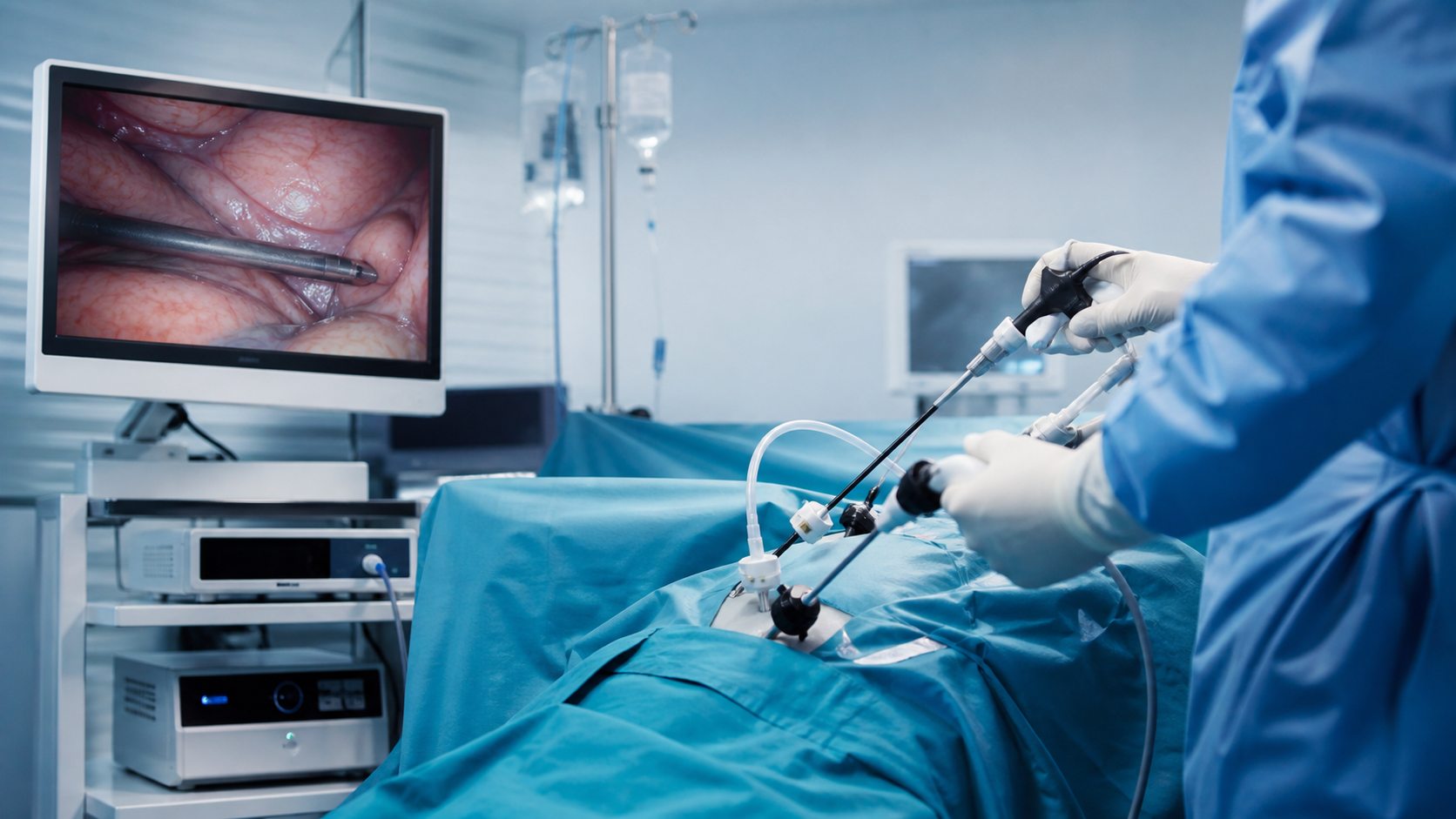
Laparoscopic surgery, also known as keyhole surgery, uses small incisions, a high-definition camera, and specialized instruments to treat many abdominal and gastrointestinal conditions with precision.
Laparoscopic Surgery
Looking for safe, advanced, and patient-focused Laparoscopic Surgery in Vijayawada? Dr. Veeramachaneni Srinivas, MS, PDCC, FMAS, FIAGES, is an Advanced Gastro & Laparoscopic Surgeon offering minimally invasive surgical care for a wide range of abdominal and gastrointestinal conditions.
Laparoscopic surgery, also known as keyhole surgery or minimally invasive surgery, has transformed the way many digestive and abdominal conditions are treated. Instead of large cuts, this technique uses small incisions, a high-definition camera, and specialized surgical instruments to perform procedures with precision. For suitable patients, this may mean less pain, smaller scars, shorter hospital stay, and faster return to daily activities.
Patients from Vijayawada and nearby areas such as Benz Circle, Governorpet, Patamata, Auto Nagar, Gollapudi, Tadepalli, Mangalagiri, and Guntur often search for the Best Gastroenterologist in Vijayawada or an experienced laparoscopic surgeon when they experience abdominal pain, gallbladder problems, hernia, appendix-related pain, acidity complications, or other digestive system concerns. Dr. Veeramachaneni Srinivas provides expert evaluation, clear diagnosis, and personalized surgical treatment plans based on each patient’s condition.
For appointments, call 083339 44545.
What is Laparoscopic Surgery?
Laparoscopic surgery is a modern surgical technique used to treat several abdominal and gastrointestinal conditions through small incisions. During the procedure, the surgeon inserts a thin tube with a camera, called a laparoscope, into the abdomen. The camera displays magnified internal images on a monitor, helping the surgeon perform the surgery with accuracy.
Unlike traditional open surgery, where a larger incision is required, laparoscopic surgery usually involves a few small cuts. Through these small openings, the surgeon inserts specialized instruments to diagnose or treat the condition.
This approach is commonly used for:
- Gallbladder removal
- Appendix removal
- Hernia repair
- Gastrointestinal surgery
- Diagnostic evaluation of abdominal pain
- Certain colorectal and stomach-related conditions
- Selected liver, spleen, and abdominal procedures
Laparoscopic surgery is not just about smaller scars. It is a precise surgical method that requires advanced training, experience, and careful judgment. Not every patient is automatically suitable for laparoscopy, which is why consultation with an experienced Advanced Gastro & Laparoscopic Surgeon like Dr. Veeramachaneni Srinivas is important.
If you are searching for Laparoscopic Surgery in Vijayawada, a detailed consultation can help determine whether minimally invasive surgery is the right option for your condition.
Benefits of Laparoscopic Surgery
Laparoscopic surgery offers several advantages for eligible patients. The exact benefits depend on the type of surgery, the severity of the disease, the patient’s health condition, and the surgeon’s assessment.
1. Smaller Incisions
Because laparoscopic surgery uses small cuts instead of a large incision, patients usually experience reduced visible scarring. This is one of the major reasons many patients prefer keyhole surgery when medically appropriate.
2. Less Post-Operative Pain
Smaller incisions may reduce tissue trauma, which can lead to less discomfort after surgery compared with traditional open procedures.
3. Faster Recovery
Many patients can return to normal activities sooner after laparoscopic procedures. Recovery time varies depending on the surgery performed, but minimally invasive techniques often support quicker healing.
4. Shorter Hospital Stay
For several laparoscopic procedures, hospital stay may be shorter compared with open surgery. Some patients may be discharged within a short period, depending on the procedure and their recovery.
5. Lower Risk of Wound Complications
Smaller wounds may reduce the chances of certain wound-related complications. However, every surgery carries some risk, and patients should follow post-operative instructions carefully.
6. Better Cosmetic Outcome
Small scars are usually more cosmetically acceptable than larger surgical scars, especially for younger patients and working professionals.
7. Earlier Return to Daily Life
For many patients, laparoscopic surgery may allow earlier return to work, household activities, walking, and routine movement, depending on medical advice.
8. High Precision
The laparoscope provides a magnified view of internal organs, helping the surgeon perform delicate steps with better visualization.
Conditions Treated with Laparoscopic Surgery
Dr. Veeramachaneni Srinivas provides evaluation and surgical management for several abdominal and gastrointestinal conditions where laparoscopy may be suitable.
- Gallbladder Stones
Gallstones can cause upper abdominal pain, nausea, vomiting, bloating, indigestion, fever, or jaundice in complicated cases. Laparoscopic gallbladder removal, also called laparoscopic cholecystectomy, is one of the most common minimally invasive procedures.
- Appendicitis
Appendicitis usually causes pain that may start around the navel and move to the lower right abdomen. It can become serious if not treated in time. Laparoscopic appendectomy may be recommended in many cases.
- Hernia
A hernia occurs when an internal tissue or organ pushes through a weak area in the abdominal wall. Common types include inguinal hernia, umbilical hernia, incisional hernia, and ventral hernia. Laparoscopic hernia repair may be considered depending on the type and size of the hernia.
- Gastrointestinal Conditions
Certain stomach, small intestine, and colon-related conditions may be treated through laparoscopic techniques. The treatment plan depends on the diagnosis, stage, and patient’s overall health.
- Diagnostic Laparoscopy
When abdominal pain remains unexplained after routine tests, diagnostic laparoscopy may help directly visualize the abdominal organs and identify the cause.
- Acid Reflux and Hiatal Hernia
In selected patients with severe reflux or hiatal hernia that does not respond to medical treatment, laparoscopic surgery may be considered after evaluation.
- Abdominal Cysts or Masses
Some abdominal cysts, adhesions, or benign masses may be managed laparoscopically depending on their location and complexity.
- Intestinal Obstruction or Adhesions
Certain cases of adhesions or bowel-related complications may require surgical evaluation. Laparoscopic treatment may be possible in selected cases.
When Should You Consult a Laparoscopic Surgeon?
You should consult a laparoscopic surgeon if you have persistent or recurring abdominal symptoms, a confirmed diagnosis requiring surgery, or a condition that has not improved with medicines.
Book an appointment with Dr. Veeramachaneni Srinivas if you have:
- Repeated abdominal pain
- Severe pain after meals
- Pain in the right upper abdomen
- Pain in the lower right abdomen
- Swelling or bulge in the groin or abdomen
- Vomiting with abdominal pain
- Bloating and indigestion that does not improve
- Fever with abdominal pain
- Jaundice with gallstone symptoms
- A known hernia that is increasing in size
- A previous surgical scar with swelling
- Suspected appendix or gallbladder problem
- Digestive symptoms needing specialist evaluation
Many people delay consultation because the pain comes and goes. However, conditions like gallstones, hernia, or appendix inflammation may worsen over time. Early evaluation helps prevent emergency situations.
Common Symptoms That Require Evaluation
Not all abdominal symptoms require surgery, but some symptoms should not be ignored. A proper diagnosis by a specialist helps identify whether medical treatment, lifestyle care, endoscopy, imaging, or surgery is needed.
- Abdominal Pain
Persistent, severe, or recurring abdominal pain may indicate gallstones, appendicitis, hernia, intestinal problems, or other gastrointestinal disorders.
- Nausea and Vomiting
Repeated vomiting with pain may suggest obstruction, infection, gallbladder inflammation, or appendix-related issues.
- Abdominal Swelling or Bulge
A visible swelling in the groin, belly button, or previous surgery site may indicate a hernia.
- Fever with Abdominal Pain
Fever along with abdominal pain can suggest infection or inflammation and needs prompt medical attention.
- Jaundice
Yellowing of the eyes or skin with abdominal pain may be related to gallstones or bile duct issues and should be evaluated urgently.
- Loss of Appetite
Loss of appetite along with abdominal discomfort, vomiting, or weight loss should be assessed by a gastro specialist.
- Constipation or Difficulty Passing Gas
These symptoms, especially with abdominal distension and vomiting, may suggest intestinal obstruction.
- Pain After Fatty Meals
Pain after oily or fatty food is commonly seen in gallbladder-related problems.
If you are searching online for the Best Gastroenterologist in Vijayawada because of these symptoms, consult Dr. Veeramachaneni Srinivas for expert diagnosis and treatment guidance.
- Laparoscopic Surgery Procedure Explained
The exact steps of laparoscopic surgery depend on the condition being treated. However, most laparoscopic procedures follow a structured process.
1. Pre-Operative Evaluation
Before surgery, the doctor reviews your symptoms, medical history, physical examination findings, blood tests, imaging reports, and fitness for anesthesia. This helps confirm whether laparoscopic surgery is suitable.
2. Anesthesia
Most laparoscopic surgeries are performed under general anesthesia. This means the patient is asleep and does not feel pain during the procedure.
3. Small Incisions
The surgeon makes small incisions in the abdomen. These incisions allow the laparoscope and instruments to enter the abdominal cavity.
4. Camera-Guided Visualization
A laparoscope is inserted through one incision. The camera sends magnified images to a monitor, allowing the surgeon to see internal organs clearly.
5. Surgical Treatment
Specialized instruments are inserted through other small openings. The surgeon performs the required procedure, such as removing the gallbladder, repairing a hernia, removing the appendix, or treating another condition.
6. Closure
After completing the procedure, the instruments are removed, gas is released from the abdomen, and the small incisions are closed with sutures, staples, or surgical adhesive depending on the case.
7. Recovery Monitoring
After surgery, the patient is shifted to a recovery area where vital signs, pain levels, and overall condition are monitored.
Dr. Veeramachaneni Srinivas explains the procedure, expected recovery, risks, and precautions clearly so patients and families feel informed and confident.
Pre-Surgical Preparation
Proper preparation helps improve surgical safety and recovery. Instructions may vary based on the procedure and patient’s health condition.
- Medical Evaluation
Your doctor may advise blood tests, ultrasound, CT scan, ECG, chest X-ray, or other investigations depending on your age, symptoms, and medical history.
- Medication Review
Inform the doctor about all medicines you take, especially blood thinners, diabetes medicines, blood pressure medicines, steroids, or supplements.
- Fasting Instructions
Most patients are asked not to eat or drink for a certain period before surgery. Follow the fasting instructions exactly as advised.
- Diabetes and Blood Pressure Control
If you have diabetes, hypertension, heart disease, asthma, kidney disease, or thyroid problems, these conditions should be optimized before surgery.
- Smoking and Alcohol
Smoking and alcohol can affect healing and anesthesia safety. Your doctor may advise stopping them before surgery.
- Consent and Counseling
The surgeon explains the diagnosis, procedure, possible benefits, risks, alternative options, and recovery expectations before surgery.
- Arrange Support
You may need a family member or caregiver to accompany you and help during the initial recovery period.
Recovery After Laparoscopic Surgery
Recovery depends on the type of surgery, patient’s age, general health, and complexity of the condition. Some patients recover quickly, while others need more time.
- Immediately After Surgery
You may feel mild pain, drowsiness, nausea, or shoulder-tip discomfort due to the gas used during laparoscopy. These symptoms usually improve with time and medicines.
Diet After Surgery
Your doctor may advise liquids first, followed by soft food and then a normal diet depending on the procedure. Avoid heavy, oily, or difficult-to-digest foods until advised.
- Walking and Movement
Early walking is often encouraged to improve circulation and reduce stiffness. However, heavy lifting and strenuous activity should be avoided until your surgeon permits.
- Wound Care
Keep the incision area clean and dry. Follow instructions about bathing, dressing changes, and signs of infection.
Follow-Up Visit
A follow-up appointment is important to check healing, review reports if needed, and guide return to normal activities.
- Warning Signs After Surgery
Contact your doctor if you notice:
- High fever
- Increasing abdominal pain
- Persistent vomiting
- Bleeding or pus from wound
- Severe swelling around incision
- Breathlessness
- Yellowing of eyes or skin
- Inability to pass urine or stool
- Worsening weakness
Timely follow-up helps ensure smooth recovery and reduces complications.
Risks of Delaying Treatment
Delaying treatment for abdominal and gastrointestinal conditions can lead to complications. While not every case is an emergency, symptoms should be evaluated early.
- Gallstones May Cause Complications
Untreated gallstones can sometimes lead to gallbladder infection, bile duct blockage, pancreatitis, or jaundice.
- Appendicitis Can Worsen
Delayed treatment of appendicitis can increase the risk of appendix rupture, infection, and abscess formation.
- Hernia Can Become Strangulated
A hernia that is ignored may become obstructed or strangulated, cutting off blood supply to trapped tissue. This can become a surgical emergency.
- Infection Can Spread
Abdominal infections may worsen if not diagnosed and treated promptly.
- Emergency Surgery May Be Riskier
Planned surgery is often safer than emergency surgery because there is time for evaluation, preparation, and optimization of health conditions.
- Longer Recovery
Complicated disease may require more extensive treatment and a longer recovery period.
If you are experiencing repeated abdominal pain or have been advised surgery, do not delay consultation. For Laparoscopic Surgery in Vijayawada, call 083339 44545 to book an appointment with Dr. Veeramachaneni Srinivas.
Why Choose Dr. Veeramachaneni Srinivas for Laparoscopic Surgery in Vijayawada?
Choosing the right surgeon is one of the most important decisions in your treatment journey. Dr. Veeramachaneni Srinivas is an Advanced Gastro & Laparoscopic Surgeon with qualifications including MS, PDCC, FMAS, and FIAGES.
- Advanced Gastro & Laparoscopic Expertise
Dr. Veeramachaneni Srinivas focuses on gastrointestinal and laparoscopic surgical care, offering evaluation and treatment for abdominal, digestive, gallbladder, appendix, and hernia-related conditions.
- Patient-Centered Approach
Every patient receives personalized attention. The treatment plan is based on symptoms, diagnosis, investigation reports, medical history, and individual health needs.
- Clear Communication
Patients often feel anxious before surgery. Dr. Veeramachaneni Srinivas explains the condition, available treatment options, surgical process, expected recovery, and precautions in a clear and practical way.
- Minimally Invasive Focus
Where appropriate, laparoscopic techniques are used to reduce surgical trauma and support faster recovery.
- Local Accessibility in Vijayawada
Patients from Vijayawada and surrounding areas can access specialist surgical consultation without traveling far. This is especially helpful for follow-up care and post-operative monitoring.
- Trusted Care for Digestive and Abdominal Problems
If you are searching for the Best Gastroenterologist in Vijayawada or an experienced laparoscopic surgeon, Dr. Veeramachaneni Srinivas provides expert care for a wide range of gastrointestinal and abdominal surgical conditions.
Advanced Technology & Minimally Invasive Techniques
Modern laparoscopic surgery depends on a combination of surgical skill, high-quality visualization, safe anesthesia, advanced instruments, and careful patient monitoring.
- High-Definition Visualization
Laparoscopic cameras provide magnified views of internal organs, helping the surgeon identify structures clearly and operate with precision.
- Specialized Surgical Instruments
Long, fine instruments are used through small incisions to perform delicate surgical steps.
- Energy Devices
Advanced energy systems may be used to control bleeding and perform tissue dissection safely, depending on the procedure.
- Patient Monitoring
During surgery, anesthesia and surgical teams monitor vital parameters carefully to maintain patient safety.
- Evidence-Based Decision-Making
The choice between laparoscopic surgery, open surgery, or non-surgical treatment is made after careful evaluation. Patient safety always comes first.
Dr. Veeramachaneni Srinivas combines advanced surgical training with a patient-first approach to provide safe and effective laparoscopic care in Vijayawada.
Frequently Asked Questions
Laparoscopic surgery is a minimally invasive surgical technique performed through small incisions using a camera and specialized instruments. It is also called keyhole surgery.
Laparoscopic surgery is generally safe when performed by a trained and experienced surgeon. Like all surgeries, it has risks, which your doctor will explain before the procedure.
Dr. Veeramachaneni Srinivas, MS, PDCC, FMAS, FIAGES, is an Advanced Gastro & Laparoscopic Surgeon in Vijayawada offering minimally invasive surgical care for abdominal and digestive conditions.
Common conditions include gallstones, appendicitis, hernia, abdominal pain requiring diagnosis, and selected gastrointestinal conditions.
The number of incisions depends on the procedure. Most laparoscopic surgeries use a few small incisions instead of one large cut.
Patients may experience mild to moderate discomfort after surgery, but pain is usually managed with medicines. Many patients experience less pain than with open surgery.
Recovery varies depending on the procedure and patient’s health. Some patients return to routine activities within a few days, while others may need longer.
Yes, laparoscopic gallbladder removal is commonly performed for symptomatic gallstones when surgery is recommended.
Many hernias can be repaired laparoscopically, but suitability depends on the type, size, previous surgeries, and patient condition.
Consult a surgeon if abdominal pain is severe, recurrent, associated with vomiting, fever, swelling, jaundice, or does not improve with medicines.
Laparoscopic surgery may offer smaller scars, less pain, and faster recovery in suitable cases. However, open surgery may still be required for certain complex conditions.
Many laparoscopic procedures require short hospital admission. The duration depends on the surgery, anesthesia, and recovery.
Avoid heavy lifting, strenuous exercise, smoking, alcohol, and oily foods until your surgeon advises. Follow wound care and medication instructions carefully.
It may be suitable for elderly patients after proper evaluation of heart, lung, diabetes, blood pressure, and overall fitness.
To consult Dr. Veeramachaneni Srinivas for Laparoscopic Surgery in Vijayawada, call 083339 44545.
Laparoscopic surgery is an advanced, minimally invasive option for many abdominal and gastrointestinal conditions. With smaller incisions, improved visualization, and faster recovery potential, it has become a preferred surgical approach for suitable patients.
If you are dealing with gallstones, hernia, appendix pain, abdominal swelling, persistent digestive symptoms, or unexplained abdominal pain, timely consultation can help prevent complications. Dr. Veeramachaneni Srinivas, MS, PDCC, FMAS, FIAGES, provides expert evaluation and advanced laparoscopic surgical care in Vijayawada.
For patients searching for Laparoscopic Surgery in Vijayawada or the Best Gastroenterologist in Vijayawada, Dr. Veeramachaneni Srinivas offers trusted, patient-focused treatment backed by advanced gastro and laparoscopic expertise.
Do not ignore recurring abdominal pain, gallbladder symptoms, hernia swelling, or appendix-related pain. Early diagnosis and timely treatment can protect your health and help you recover faster.
Book your consultation with Dr. Veeramachaneni Srinivas, Advanced Gastro & Laparoscopic Surgeon in Vijayawada.
- Call now: 083339 44545