Endoscopy & Colonoscopy
Expert evaluation and patient-centred treatment using modern surgical planning and minimally invasive techniques where appropriate.
Key Benefits
Minimal Scars
Discomfort
Shorter Stay
Infection
Daily Activities
Endoscopy and colonoscopy help evaluate upper and lower gastrointestinal symptoms such as acidity, pain, bleeding, bowel changes, polyps, and screening needs.
Endoscopy & Colonoscopy
Persistent acidity, stomach pain, bloating, difficulty swallowing, rectal bleeding, chronic diarrhea, unexplained weight loss, or changes in bowel habits should never be ignored. These symptoms may be caused by common digestive disorders, but they can also point to conditions that need early diagnosis and timely treatment.
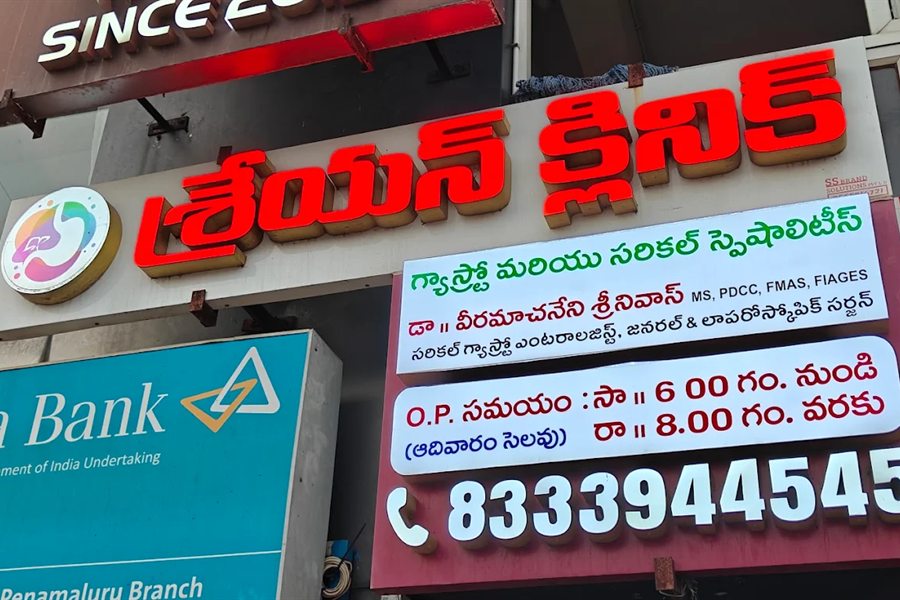
Dr. Veeramachaneni Srinivas, MS, PDCC, FMAS, FIAGES, Advanced Gastro & Laparoscopic Surgeon in Vijayawada, provides safe, accurate, and patient-focused endoscopy and colonoscopy services for diagnosing digestive tract conditions. If you are searching for Endoscopy in Vijayawada, Colonoscopy in Vijayawada, GI Endoscopy in Vijayawada, or a Digestive Health Specialist in Vijayawada, Dr. Veeramachaneni Srinivas offers advanced evaluation for upper and lower gastrointestinal symptoms.
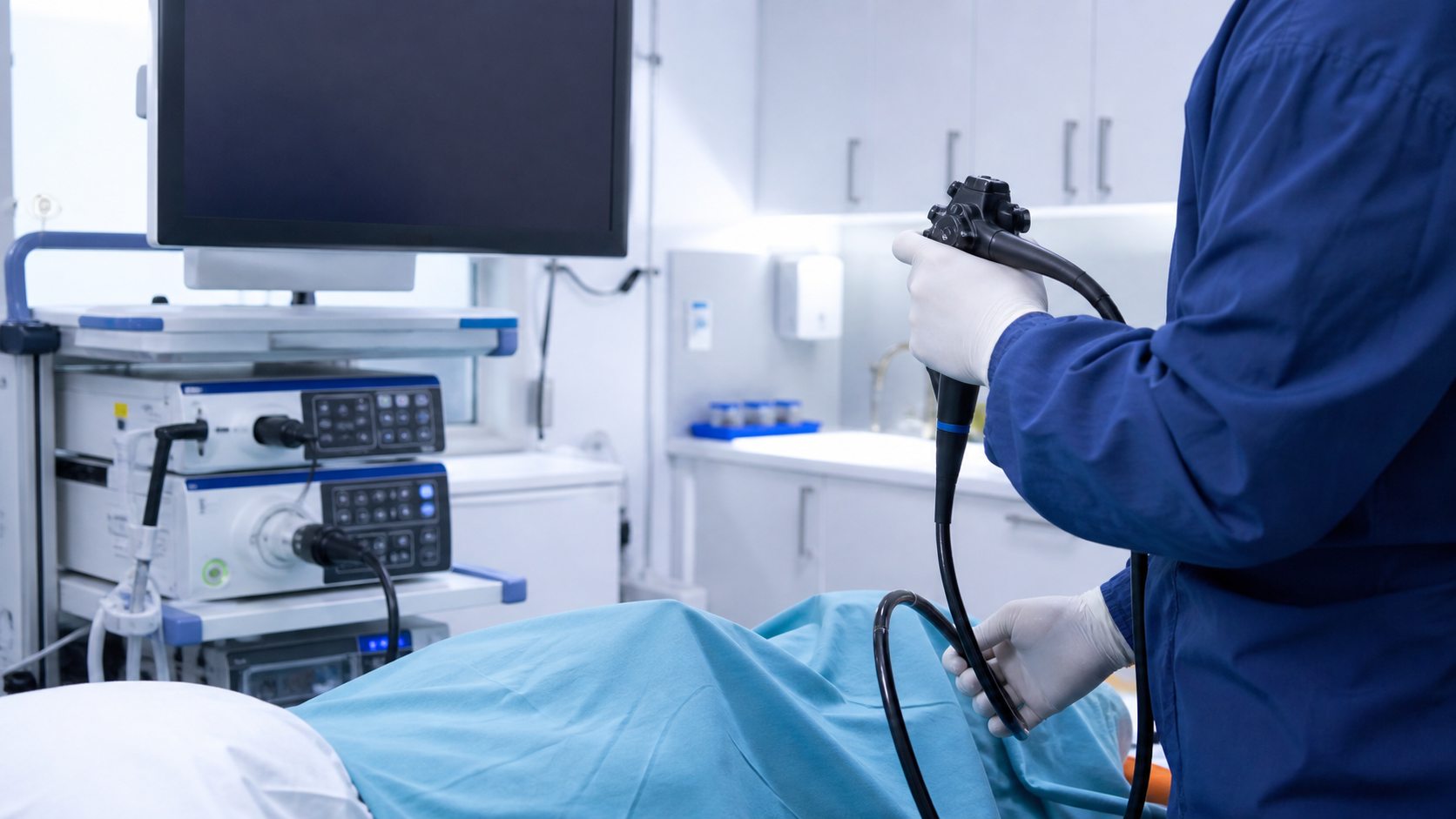
Endoscopy and colonoscopy are minimally invasive diagnostic procedures that allow direct visualization of the digestive tract using a thin, flexible tube with a camera. These procedures help identify inflammation, ulcers, bleeding, polyps, tumors, infections, and early signs of digestive disease. In many cases, biopsies or polyp removal can also be performed during the same procedure.
For appointments, call 083339 44545 and schedule a consultation with Dr. Veeramachaneni Srinivas in Vijayawada.
- Endoscopy & Colonoscopy Services in Vijayawada
What is Endoscopy?
Endoscopy is a medical procedure used to examine the inside of the digestive tract with the help of an endoscope. An endoscope is a thin, flexible tube fitted with a light and camera. The images are displayed on a monitor, allowing the doctor to closely inspect the lining of the food pipe, stomach, and upper part of the small intestine.
When people refer to “endoscopy” for digestive symptoms, they often mean upper GI endoscopy, also called gastroscopy or esophagogastroduodenoscopy. This procedure helps diagnose conditions affecting the esophagus, stomach, and duodenum.
Endoscopy is commonly recommended for symptoms such as acidity, persistent heartburn, stomach pain, vomiting, difficulty swallowing, nausea, unexplained anemia, black stools, vomiting blood, or suspected ulcers. It is also useful for evaluating acid reflux complications, gastritis, stomach polyps, and Barrett’s esophagus.
For patients looking for GI Endoscopy in Vijayawada, Dr. Veeramachaneni Srinivas provides careful evaluation with a focus on accurate diagnosis, patient comfort, and appropriate treatment planning.
What is Colonoscopy?
Colonoscopy is a procedure used to examine the large intestine, including the colon and rectum. It is performed using a colonoscope, a flexible tube with a camera that helps the doctor view the inner lining of the colon.
Colonoscopy is one of the most important tests for diagnosing lower digestive tract problems. It can detect colon polyps, colorectal cancer, inflammatory bowel disease, ulcers, diverticular disease, sources of bleeding, and causes of chronic diarrhea or bowel habit changes.
One of the biggest advantages of colonoscopy is that it can be both diagnostic and therapeutic. If polyps are found, they may be removed during the same procedure. If abnormal tissue is seen, a biopsy can be taken for laboratory testing. This makes colonoscopy especially valuable for colon cancer screening and prevention.
If you are searching for Colonoscopy in Vijayawada or colon cancer screening in Vijayawada, consult Dr. Veeramachaneni Srinivas for a detailed digestive health evaluation.
- Difference Between Endoscopy and Colonoscopy
Endoscopy and colonoscopy are both camera-assisted procedures used to examine the digestive tract, but they evaluate different areas.
Endoscopy usually examines the upper digestive tract, including the esophagus, stomach, and duodenum. It is commonly used for acid reflux, gastritis, ulcers, difficulty swallowing, upper abdominal pain, and upper GI bleeding.
Colonoscopy examines the lower digestive tract, including the rectum and colon. It is commonly used for rectal bleeding, colon polyps, colorectal cancer screening, chronic diarrhea, inflammatory bowel disease, and changes in bowel habits.
Both procedures are minimally invasive and usually performed with sedation or comfort measures. Both can help diagnose disease, take biopsies, and guide treatment. In selected cases, endoscopy and colonoscopy may be recommended together when symptoms suggest both upper and lower digestive tract involvement.
Why Are Endoscopy and Colonoscopy Performed?
Endoscopy and colonoscopy are performed to identify the cause of digestive symptoms, confirm a suspected diagnosis, screen for cancer, monitor known conditions, and provide certain treatments without major surgery.
A doctor may recommend endoscopy or colonoscopy when symptoms continue despite medicines, when warning signs are present, or when screening is needed due to age, family history, or previous polyps.
These procedures help answer important questions such as:
Is acid reflux damaging the food pipe?
Is stomach pain due to gastritis, ulcer, or another condition?
Is there bleeding inside the digestive tract?
Are colon polyps present?
Is rectal bleeding due to piles, inflammation, polyps, or cancer?
Is chronic diarrhea caused by IBD or infection?
Is colon cancer screening required?
Early diagnosis allows the right treatment to begin sooner and may prevent complications.
- Conditions Diagnosed Through Endoscopy
- Acid Reflux (GERD)
Gastroesophageal reflux disease, commonly called GERD, occurs when stomach acid flows back into the food pipe. Symptoms may include heartburn, sour belching, chest discomfort, throat irritation, chronic cough, and regurgitation. Endoscopy helps evaluate whether reflux has caused inflammation, narrowing, ulcers, or Barrett’s esophagus.
- Gastritis
Gastritis is inflammation of the stomach lining. It may be caused by infection, painkiller overuse, alcohol, stress-related injury, bile reflux, or other factors. Symptoms may include upper abdominal pain, nausea, bloating, vomiting, early fullness, or indigestion. Endoscopy helps assess the stomach lining and allows biopsy when needed.
- Peptic Ulcers
Peptic ulcers are sores that develop in the stomach or duodenum. They may cause burning pain, nausea, bloating, vomiting, anemia, or bleeding. Endoscopy can directly visualize ulcers, assess their severity, identify bleeding, and help guide treatment.
- Difficulty Swallowing
Difficulty swallowing may occur due to inflammation, narrowing, strictures, tumors, motility problems, or reflux-related injury. Endoscopy helps identify structural causes and may allow therapeutic treatment in selected cases.
- Stomach Polyps
Stomach polyps are growths in the stomach lining. Many are benign, but some need biopsy or removal depending on their size, appearance, and type. Endoscopy allows direct inspection and tissue sampling.
- Upper GI Bleeding
Upper GI bleeding may present as vomiting blood, black stools, weakness, dizziness, or anemia. Endoscopy is a key investigation to identify bleeding from ulcers, varices, erosions, tumors, or other lesions. In some cases, endoscopic therapy can help control bleeding.
- Barrett’s Esophagus
Barrett’s esophagus is a condition in which long-term acid reflux changes the lining of the lower esophagus. It requires careful diagnosis and monitoring because it can increase the risk of esophageal cancer in some patients. Endoscopy with biopsy is commonly used for evaluation.
- Conditions Diagnosed Through Colonoscopy
- Colon Polyps
Colon polyps are small growths on the inner lining of the colon. Many polyps are harmless, but some can become cancerous over time. Colonoscopy helps detect and remove polyps before they become serious.
- Colorectal Cancer
Colonoscopy is a highly valuable test for detecting colorectal cancer and precancerous changes. Early diagnosis improves treatment options and outcomes. Patients with rectal bleeding, unexplained weight loss, anemia, persistent bowel changes, or family history should seek medical evaluation promptly.
- Inflammatory Bowel Disease (IBD)
Inflammatory bowel disease includes ulcerative colitis and Crohn’s disease. Colonoscopy helps identify inflammation, ulcers, bleeding, narrowing, and disease extent. Biopsy may be taken to confirm the diagnosis and guide treatment.
- Ulcerative Colitis
Ulcerative colitis affects the colon and rectum. Symptoms may include bloody diarrhea, urgency, abdominal pain, fatigue, and weight loss. Colonoscopy helps assess severity and monitor disease activity.
- Crohn’s Disease
Crohn’s disease can affect different parts of the digestive tract and may cause abdominal pain, diarrhea, weight loss, fever, ulcers, and strictures. Colonoscopy helps evaluate the colon and terminal ileum when Crohn’s disease is suspected.
- Chronic Diarrhea
Chronic diarrhea lasting for weeks may be caused by infection, inflammation, IBD, microscopic colitis, malabsorption, or other conditions. Colonoscopy with biopsy may help identify the cause.
- Rectal Bleeding
Rectal bleeding may be due to piles, fissures, polyps, colitis, diverticular disease, or cancer. Because the cause cannot always be known from symptoms alone, colonoscopy may be advised for accurate diagnosis.
- Diverticular Disease
Diverticula are small pouches that can form in the colon wall. They may cause pain, bleeding, infection, or changes in bowel habits. Colonoscopy can help evaluate diverticular disease after acute inflammation settles, based on the doctor’s advice.
Symptoms That May Require Endoscopy or Colonoscopy
You may need endoscopy or colonoscopy if you experience:
- Persistent acidity or heartburn
- Upper abdominal pain
- Nausea or vomiting
- Difficulty swallowing
- Vomiting blood
- Black or tarry stools
- Unexplained anemia
- Loss of appetite
- Unexplained weight loss
- Chronic diarrhea
- Constipation with change in bowel habits
- Rectal bleeding
- Mucus in stool
- Persistent bloating
- Family history of colon cancer
- Previous colon polyps
- Long-standing inflammatory bowel disease
Do not ignore repeated digestive symptoms. Early evaluation can help detect problems before they become advanced.
Call 083339 44545 to book an appointment with Dr. Veeramachaneni Srinivas for Endoscopy and Colonoscopy in Vijayawada.
When Should You Consult a Gastroenterologist?
You should consult a digestive health specialist if your symptoms are persistent, worsening, recurrent, or associated with warning signs. Symptoms such as blood in stool, black stools, vomiting blood, difficulty swallowing, unexplained weight loss, severe abdominal pain, persistent vomiting, or anemia require timely medical attention.
Patients often search online for a Gastroenterologist in Vijayawada or Best Gastroenterologist in Vijayawada when they have digestive issues that do not improve with routine medicines. Dr. Veeramachaneni Srinivas, Advanced Gastro & Laparoscopic Surgeon, provides specialist evaluation for digestive symptoms and helps patients decide whether endoscopy, colonoscopy, imaging, blood tests, stool tests, medicines, or surgery may be required.
- Diagnostic and Therapeutic Benefits of Endoscopy & Colonoscopy
Endoscopy and colonoscopy offer several benefits:
- Accurate Diagnosis
They allow direct visualization of the digestive tract lining, making diagnosis more accurate than symptoms alone.
- Biopsy
Small tissue samples can be taken for laboratory testing when inflammation, ulcers, suspicious growths, or unexplained changes are seen.
- Polyp Removal
During colonoscopy, polyps can often be removed before they develop into cancer.
- Bleeding Control
In selected cases, endoscopic techniques may help control bleeding.
- Minimally Invasive Evaluation
These procedures reduce the need for exploratory surgery in many diagnostic situations.
- Treatment Planning
Findings help guide medicines, follow-up, surgery, lifestyle changes, and screening intervals.
Types of Endoscopic Procedures
- Upper GI Endoscopy
Upper GI endoscopy examines the esophagus, stomach, and duodenum. It is commonly performed for acid reflux, gastritis, ulcers, vomiting, swallowing difficulty, upper abdominal pain, and bleeding.
- Diagnostic Colonoscopy
Diagnostic colonoscopy is performed to identify the cause of symptoms such as rectal bleeding, chronic diarrhea, constipation, abdominal pain, anemia, or bowel habit changes.
- Therapeutic Colonoscopy
Therapeutic colonoscopy allows treatment during the procedure when appropriate. This may include polyp removal, biopsy, bleeding control, or other interventions.
- Polypectomy
Polypectomy is the removal of colon polyps during colonoscopy. Removed polyps are usually sent for histopathology to understand their type and cancer risk.
- Biopsy Procedures
Biopsy involves taking tiny tissue samples from abnormal or inflamed areas. Biopsy is useful for diagnosing gastritis, IBD, infections, Barrett’s esophagus, suspicious growths, and other conditions.
Preparation Before Endoscopy
Preparation may vary depending on your medical condition and the procedure planned. General instructions may include:
Avoid eating or drinking for the recommended number of hours before the test.
Inform the doctor about diabetes, heart disease, lung disease, kidney disease, pregnancy, allergies, or previous reactions to sedation.
Share all current medications, especially blood thinners, aspirin, diabetes medicines, and painkillers.
Follow instructions about which medicines to continue, adjust, or temporarily stop.
Arrange for someone to accompany you if sedation is used.
Do not drive after the procedure if sedation has been given.
Always follow the specific instructions provided by Dr. Veeramachaneni Srinivas and the medical team.
Preparation Before Colonoscopy
Good bowel preparation is essential for a clear and accurate colonoscopy. If the colon is not clean, small polyps or abnormalities may be missed, and the procedure may need to be repeated.
Preparation may include:
- A special diet before the procedure
- Clear liquids as advised
- Bowel cleansing medicines or laxatives
- Drinking adequate fluids to prevent dehydration
- Avoiding certain foods, seeds, or high-fiber items before the test
- Adjusting medicines as advised by the doctor
- Arranging a responsible attendant if sedation is planned
Patients should inform the doctor if they have kidney disease, heart disease, diabetes, pregnancy, severe constipation, or previous difficulty with bowel preparation.
What Happens During the Procedure?
- During Endoscopy
You will usually lie on your side. A throat spray or sedation may be used to improve comfort. The endoscope is gently passed through the mouth into the upper digestive tract. The doctor examines the lining and may take biopsies if needed. The procedure is usually short, and most patients return home the same day.
- During Colonoscopy
You will lie on your side, and sedation or comfort medication may be given. The colonoscope is gently passed through the rectum into the colon. The doctor examines the colon lining carefully. If polyps are found, they may be removed. If abnormal tissue is seen, biopsy may be taken.
The medical team monitors comfort and safety throughout the procedure.
Recovery After Endoscopy and Colonoscopy
Most patients recover quickly after endoscopy or colonoscopy. You may feel sleepy for a short time if sedation was used. Mild bloating, gas, throat irritation after endoscopy, or abdominal cramping after colonoscopy may occur and usually settles.
You may be advised to:
- Rest for the day
- Avoid driving after sedation
- Start food and fluids as advised
- Follow medication instructions
- Watch for warning symptoms
- Attend follow-up for biopsy or polyp reports
Seek medical help if you develop severe abdominal pain, persistent vomiting, fever, heavy bleeding, difficulty breathing, black stools, dizziness, or worsening symptoms.
Are Endoscopy and Colonoscopy Painful?
Most patients tolerate endoscopy and colonoscopy well. Sedation, throat numbing spray, and careful technique help reduce discomfort. Endoscopy may cause mild throat irritation afterward. Colonoscopy may cause temporary bloating or gas due to air used during the procedure.
If you are anxious about pain, speak with Dr. Veeramachaneni Srinivas before the procedure. The care team will explain comfort options and safety measures.
Risks and Safety of Endoscopic Procedures
Endoscopy and colonoscopy are generally safe when performed by trained professionals. However, every medical procedure has some risks. Possible risks include reaction to sedation, bleeding, infection, perforation, aspiration, abdominal pain, or delayed bleeding after polyp removal.
The risk is usually low, but it may be higher in older patients, patients with major medical conditions, or when therapeutic procedures such as polypectomy are performed. Safety begins with proper patient assessment, correct preparation, sterile equipment, careful technique, monitoring, and clear post-procedure instructions.
Dr. Veeramachaneni Srinivas focuses on safe, accurate, and patient-centered endoscopic care in Vijayawada.
- Importance of Early Detection of Digestive Diseases
Many digestive conditions begin with mild symptoms. Acidity, bloating, abdominal pain, or bowel changes may seem routine, but persistent or recurrent symptoms deserve evaluation. Early diagnosis can prevent complications such as bleeding ulcers, strictures, severe inflammation, anemia, intestinal obstruction, and delayed cancer detection.
Endoscopy and colonoscopy help detect disease at an earlier stage, often before symptoms become severe. This is especially important for colon polyps, Barrett’s esophagus, inflammatory bowel disease, and colorectal cancer risk.
If you have repeated digestive symptoms, book a consultation by calling 083339 44545.
- Colon Cancer Screening and Prevention
Colorectal cancer can often begin as polyps in the colon. These polyps may not cause symptoms in the early stages. Colonoscopy helps detect and remove polyps before they become cancerous.
Screening is especially important for:
- Adults around screening age as advised by the doctor
- People with family history of colon cancer
- People with previous colon polyps
- Patients with inflammatory bowel disease
- Patients with rectal bleeding or anemia
- People with unexplained bowel habit changes
- Patients with unexplained weight loss
Colonoscopy is not only a diagnostic test; it can also be preventive because polyps can often be removed during the same procedure.
For colon cancer screening in Vijayawada, consult Dr. Veeramachaneni Srinivas.
Why Choose Dr. Veeramachaneni Srinivas for Endoscopy & Colonoscopy in Vijayawada?
Choosing the right specialist matters when you need evaluation for digestive symptoms. Dr. Veeramachaneni Srinivas is an Advanced Gastro & Laparoscopic Surgeon with qualifications including MS, PDCC, FMAS, and FIAGES. He provides comprehensive care for digestive disorders, abdominal conditions, and GI surgical problems.
Patients choose Dr. Veeramachaneni Srinivas for:
- Experience in gastro and laparoscopic surgery
- Patient-focused evaluation
- Safe endoscopic assessment
- Accurate diagnosis of digestive symptoms
- Careful explanation of procedure findings
- Minimally invasive diagnostic and therapeutic options
- Evaluation for acid reflux, ulcers, bleeding, polyps, IBD, and colon cancer screening
- Local care for patients in Vijayawada and surrounding areas
If you are searching for Endoscopy in Vijayawada, Colonoscopy in Vijayawada, Gastroenterologist in Vijayawada, GI Endoscopy in Vijayawada, or Digestive Health Specialist in Vijayawada, schedule a consultation with Dr. Veeramachaneni Srinivas.
Call 083339 44545 today.
- Advanced Endoscopy Facilities and Patient-Centered Care
A good endoscopy experience requires more than technology. Patients need clear instructions, compassionate communication, safe monitoring, hygienic processes, and accurate reporting.
Dr. Veeramachaneni Srinivas provides patient-centered digestive care with attention to:
- Proper pre-procedure assessment
- Clear explanation of the procedure
- Comfort-focused approach
- Safe sedation support where appropriate
- Biopsy and polyp management when needed
- Post-procedure recovery guidance
- Follow-up advice based on results
- Colon cancer prevention counseling
- Treatment planning for diagnosed conditions
Patients from Vijayawada and nearby areas such as Benz Circle, Governorpet, Patamata, Kanuru, Bhavanipuram, Gannavaram, Mangalagiri, and Guntur can consult for digestive health concerns and endoscopic evaluation.
Frequently Asked Questions
Endoscopy usually examines the upper digestive tract, including the esophagus, stomach, and duodenum. Colonoscopy examines the colon and rectum. Both use a flexible camera and help diagnose digestive disorders.
You may need endoscopy if you have persistent acidity, stomach pain, nausea, vomiting, difficulty swallowing, black stools, vomiting blood, unexplained anemia, or suspected ulcers.
Colonoscopy may be advised for rectal bleeding, chronic diarrhea, constipation with bowel habit changes, unexplained anemia, colon cancer screening, family history of colon cancer, or previous polyps.
Endoscopy is usually well tolerated. Throat spray or sedation may be used to improve comfort. Mild throat irritation can occur afterward.
Colonoscopy is usually performed with sedation or comfort measures. Some patients may feel bloating or gas after the procedure, which usually settles.
Upper GI endoscopy is usually a short procedure. Time may vary if biopsy or treatment is required.
Colonoscopy time depends on the colon condition, bowel preparation quality, and whether biopsy or polyp removal is needed.
Yes. Many colon polyps can be removed during colonoscopy and sent for testing. This helps reduce future cancer risk.
Yes. Fasting is usually required before upper GI endoscopy so the doctor can clearly see the upper digestive tract. Follow the instructions given by your doctor.
A clean colon allows the doctor to see the lining clearly and detect small polyps or abnormalities. Poor preparation may reduce accuracy.
Endoscopy can help detect suspicious lesions, tumors, ulcers, and abnormal tissue in the upper digestive tract. Biopsy may be taken for confirmation.
Colonoscopy can help prevent colon cancer by detecting and removing precancerous polyps before they turn into cancer.
No. Biopsy is taken through the scope, and patients usually do not feel pain from the tissue sampling.
Most patients can resume food as advised after recovery, but instructions may vary depending on sedation, biopsy, polyp removal, or individual health conditions.
Call 083339 44545 to schedule a consultation with Dr. Veeramachaneni Srinivas for endoscopy, colonoscopy, GI endoscopy, or digestive health evaluation in Vijayawada.
Endoscopy and colonoscopy are safe, accurate, and minimally invasive procedures that play a major role in diagnosing digestive diseases. Whether you have acid reflux, ulcers, gastritis, difficulty swallowing, rectal bleeding, chronic diarrhea, colon polyps, IBD, or need colon cancer screening, timely evaluation can protect your health.
Dr. Veeramachaneni Srinivas, MS, PDCC, FMAS, FIAGES, Advanced Gastro & Laparoscopic Surgeon in Vijayawada, provides expert evaluation and patient-focused care for digestive disorders. If you are searching for Endoscopy in Vijayawada, Colonoscopy in Vijayawada, GI Endoscopy in Vijayawada, Digestive Health Specialist in Vijayawada, Laparoscopic Gynaecology Surgery in Vijayawada or Best Gastroenterologist in Vijayawada, book a consultation today.
- Strong Call-to-Action
Do not ignore persistent digestive symptoms. Early diagnosis can prevent complications and support better treatment outcomes.
Call 083339 44545 today to schedule your Endoscopy or Colonoscopy consultation with Dr. Veeramachaneni Srinivas in Vijayawada.