Colorectal Surgery
Expert evaluation and patient-centred treatment using modern surgical planning and minimally invasive techniques where appropriate.
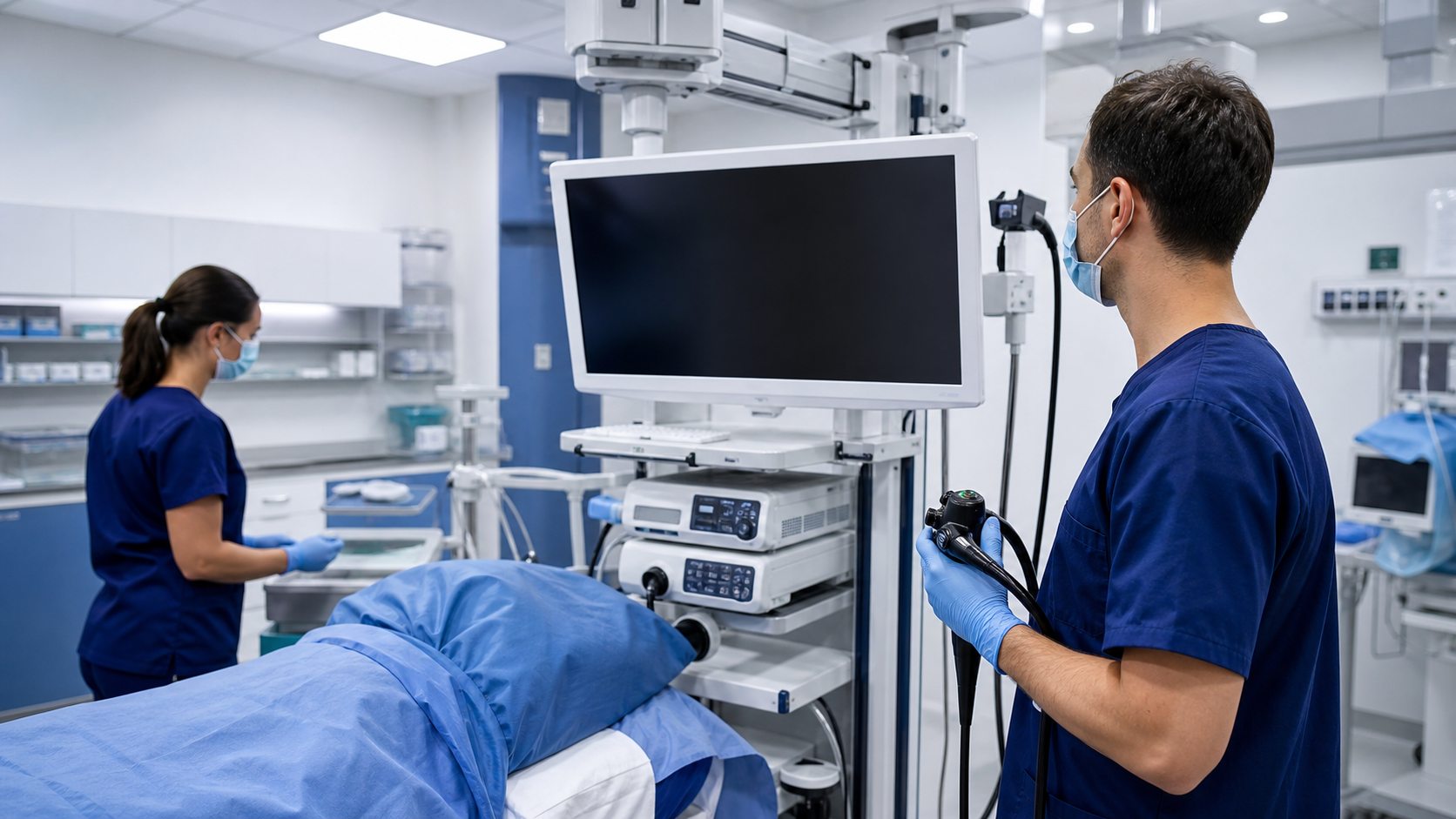
Key Benefits
Minimal Scars
Discomfort
Shorter Stay
Infection
Daily Activities
Colorectal surgery focuses on conditions of the colon, rectum, and anus, including piles, fissure, fistula, polyps, bowel disease, and colorectal cancer.
Colorectal Surgery
Colorectal conditions can affect digestion, bowel movements, comfort, confidence, and overall quality of life. Problems involving the colon, rectum, and anorectal region may begin with symptoms such as bleeding during stools, abdominal pain, constipation, diarrhea, change in bowel habits, swelling near the anus, unexplained weight loss, or persistent rectal pain. Some conditions are minor, while others require timely specialist evaluation and surgery.
If you are searching for Colorectal Surgery in Vijayawada, Colon Surgery in Vijayawada, Rectal Surgery in Vijayawada, a Colorectal Surgeon in Vijayawada, a Colon Specialist in Vijayawada, or the Best Gastroenterologist in Vijayawada, Dr. Veeramachaneni Srinivas offers expert diagnosis and advanced surgical care.
Dr. Veeramachaneni Srinivas, MS, PDCC, FMAS, FIAGES, is an Advanced Gastro & Laparoscopic Surgeon in Vijayawada with expertise in colorectal, gastrointestinal, and minimally invasive laparoscopic surgery. He provides evaluation and treatment for colorectal cancer, colon polyps, diverticular disease, inflammatory bowel disease, intestinal obstruction, rectal prolapse, anal fistula, anal fissure, and complex hemorrhoids.
Patients from Vijayawada and nearby areas such as Benz Circle, Governorpet, Patamata, Auto Nagar, Gollapudi, Tadepalli, Mangalagiri, and Guntur can consult Dr. Veeramachaneni Srinivas for patient-centered colorectal care.
To book an appointment, call 083339 44545.
What is Colorectal Surgery?
Colorectal surgery is a specialized branch of gastrointestinal surgery that focuses on diseases of the colon, rectum, and anus. The colon is the large intestine, the rectum is the final part of the digestive tract, and the anal region helps control bowel movements.
Colorectal surgery may be recommended for benign conditions, inflammatory diseases, infections, structural problems, emergency conditions, and cancers. Depending on the diagnosis, treatment may involve medicines, endoscopy, minimally invasive surgery, open surgery, or a combination of treatments.
Common colorectal procedures include colon resection, rectal surgery, surgery for colorectal cancer, surgery for inflammatory bowel disease, anal fistula surgery, fissure surgery, hemorrhoid surgery, and emergency procedures for bowel obstruction or perforation.
Modern colorectal surgery often uses laparoscopic techniques where suitable. Laparoscopic colorectal surgery uses small incisions, a camera, and specialized instruments to perform precise surgery with less tissue trauma in selected patients.
- Understanding the Colon, Rectum, and Anorectal Region
The colon absorbs water and salts from digested food and helps form stool. The rectum stores stool before bowel movement. The anus and surrounding muscles help control stool passage.
Because these areas are closely connected, symptoms may overlap. For example, rectal bleeding may occur due to piles, fissure, polyps, inflammatory bowel disease, or colorectal cancer. Constipation may be due to diet, lifestyle, obstruction, or rectal outlet problems. This is why a proper evaluation by a colorectal specialist is important.
A trained Gastro & Laparoscopic Surgeon can identify whether symptoms are due to a simple condition or something that needs urgent treatment.
Conditions Treated with Colorectal Surgery
- Colorectal Cancer
Colorectal cancer includes cancers of the colon and rectum. It may develop from polyps over time. Symptoms may include blood in stool, change in bowel habits, unexplained weight loss, abdominal pain, fatigue, or anemia. Surgery is often an important part of treatment, especially when the cancer is localized or surgically removable.
- Colon Polyps
Colon polyps are growths on the inner lining of the colon. Many are benign, but some can become cancerous over time. Polyps are often detected during colonoscopy. Small polyps may be removed endoscopically, while large or suspicious polyps may need surgical evaluation.
- Diverticular Disease
Diverticular disease occurs when small pouches form in the colon wall. When these pouches become inflamed or infected, the condition is called diverticulitis. Surgery may be needed for recurrent attacks, complications, perforation, abscess, fistula, or obstruction.
- Ulcerative Colitis
Ulcerative colitis is a chronic inflammatory condition affecting the colon and rectum. Medicines are the main treatment for many patients, but surgery may be needed for severe disease, bleeding, complications, poor response to medicines, or cancer risk.
- Crohn’s Disease
Crohn’s disease can affect any part of the digestive tract. Surgery may be required for strictures, obstruction, fistulas, abscesses, severe symptoms, or complications that do not respond to medical treatment.
- Intestinal Obstruction
Intestinal obstruction occurs when stool, gas, or intestinal contents cannot pass normally. It can cause abdominal pain, vomiting, bloating, constipation, and inability to pass gas. Some cases require emergency colorectal surgery.
- Rectal Prolapse
Rectal prolapse occurs when the rectum slips out through the anus. It may cause discomfort, mucus discharge, bleeding, difficulty controlling stools, and incomplete evacuation. Surgery may be recommended depending on severity.
- Anal Fistula
An anal fistula is an abnormal tunnel between the anal canal and skin near the anus. It may cause recurrent pus discharge, swelling, pain, and infection. Surgery is often required because fistulas usually do not heal permanently with medicines alone.
- Anal Fissure
An anal fissure is a tear in the lining of the anus. It can cause severe pain during stool passage and bleeding. Many fissures heal with medicines and stool-softening measures, but chronic fissures may need surgical treatment.
- Complex Hemorrhoids
Hemorrhoids, commonly called piles, are swollen blood vessels around the anus or rectum. Complex hemorrhoids may cause bleeding, prolapse, pain, itching, and discomfort. Surgery may be advised when symptoms are severe or not controlled with conservative treatment.
- Common Signs and Symptoms
Colorectal symptoms should not be ignored, especially when they are persistent, recurrent, or worsening.
Common symptoms include:
- Blood in stool
- Black stools
- Change in bowel habits
- Persistent constipation
- Persistent diarrhea
- Abdominal pain or cramps
- Unexplained weight loss
- Fatigue or anemia
- Rectal pain
- Pain during stools
- Mucus discharge
- Pus discharge near anus
- Swelling near anus
- Incomplete bowel evacuation
- Bloating or abdominal distension
- Vomiting with constipation
- Loss of appetite
Emergency Warning Signs
Seek urgent medical care if you have severe abdominal pain, persistent vomiting, inability to pass stool or gas, heavy rectal bleeding, fever with abdominal pain, fainting, or sudden worsening weakness.
- Causes and Risk Factors
Colorectal conditions may develop due to several factors. Some are lifestyle-related, while others are due to inflammation, infection, genetics, age, or structural changes.
Common risk factors include:
- Family history of colorectal cancer
- Personal history of colon polyps
- Increasing age
- Low-fiber diet
- High intake of processed foods
- Obesity
- Smoking
- Alcohol use
- Sedentary lifestyle
- Chronic constipation
- Inflammatory bowel disease
- Previous abdominal surgery
- Recurrent anal infections
- Poor hydration
- Long-term straining during stools
- Diabetes or reduced immunity
- Delayed screening
Risk factors do not always mean disease is present. However, symptoms and abnormal test results should be evaluated by a specialist.
When Should You Consult a Colorectal Surgeon?
You should consult a colorectal surgeon when symptoms are persistent, recurrent, severe, or associated with warning signs. Early evaluation can help detect serious disease before complications occur.
Book a consultation with Dr. Veeramachaneni Srinivas if you have:
- Blood in stool
- Change in bowel habits lasting more than a few weeks
- Unexplained weight loss
- Recurrent abdominal pain
- Persistent constipation or diarrhea
- Anemia without a clear cause
- Colon polyp detected on colonoscopy
- Suspected colorectal cancer
- Recurrent fistula or anal discharge
- Painful fissure not healing
- Prolapsed piles or heavy bleeding
- Rectal prolapse
- Bowel obstruction symptoms
- Inflammatory bowel disease complications
Appointment CTA: For expert Colorectal Surgery in Vijayawada or Colon Surgery in Vijayawada, call 083339 44545.
Diagnostic Evaluation and Screening
Correct diagnosis is essential before colorectal treatment. Dr. Veeramachaneni Srinivas evaluates patients with clinical history, examination, imaging, endoscopy, and lab tests when needed.
- Colonoscopy
Colonoscopy allows the doctor to examine the inside of the colon and rectum using a flexible camera. It helps detect polyps, cancer, inflammation, bleeding sources, ulcers, and strictures. Biopsy or polyp removal may be done during the procedure.
- Sigmoidoscopy
Sigmoidoscopy evaluates the rectum and lower part of the colon. It may be used for rectal bleeding, suspected inflammation, or lower bowel symptoms.
- CT Scan
CT scan helps evaluate obstruction, tumors, abscess, diverticulitis, perforation, and spread of disease. It is especially useful in emergency and cancer evaluation.
- MRI
MRI is particularly helpful in rectal cancer staging, fistula mapping, pelvic disease evaluation, and planning complex rectal surgery.
- Biopsy
A biopsy involves taking a small tissue sample for laboratory analysis. It helps confirm cancer, inflammation, infection, or other pathology.
- Blood Tests
Blood tests may include complete blood count, liver function tests, kidney function tests, infection markers, blood sugar, clotting profile, tumor markers where appropriate, and pre-surgical fitness tests.
Types of Colorectal Surgery
- Colon Resection — Colectomy
Colectomy involves removing part or all of the colon. It may be performed for colon cancer, complicated diverticular disease, inflammatory bowel disease, obstruction, bleeding, or large polyps that cannot be removed safely by colonoscopy.
Depending on the case, the remaining bowel may be joined together. In some cases, a temporary or permanent stoma may be needed.
- Rectal Surgery
Rectal surgery may be required for rectal cancer, rectal prolapse, severe inflammatory disease, strictures, or complex anorectal problems. Rectal surgery requires careful planning because the rectum is located in the pelvis and is close to nerves, bladder, reproductive organs, and sphincter muscles.
- Minimally Invasive Laparoscopic Colorectal Surgery
Laparoscopic colorectal surgery uses small incisions, a camera, and advanced instruments. It may be suitable for selected colon cancers, benign colon disease, diverticular disease, and some inflammatory bowel conditions.
This approach can support faster recovery, smaller scars, reduced wound discomfort, and earlier mobilization in appropriate patients.
- Cancer Surgery
Colorectal cancer surgery focuses on removing the diseased segment of bowel along with surrounding lymph nodes when appropriate. Treatment may also involve chemotherapy, radiation, or targeted therapy depending on cancer type and stage.
- Surgery for Inflammatory Bowel Disease
Patients with ulcerative colitis or Crohn’s disease may need surgery for severe disease, obstruction, bleeding, perforation, fistulas, abscesses, or poor response to medical therapy. Surgery is planned carefully to preserve quality of life and bowel function whenever possible.
- Emergency Colorectal Procedures
Emergency colorectal surgery may be required for bowel obstruction, perforation, severe bleeding, bowel ischemia, abscess, or complicated diverticulitis. Early diagnosis can reduce the need for emergency treatment.
Benefits of Minimally Invasive Colorectal Surgery
For suitable patients, laparoscopic colorectal surgery may offer several benefits.
- Smaller Incisions
Laparoscopic surgery uses small cuts instead of one large incision, leading to smaller scars.
- Less Wound Discomfort
Reduced tissue trauma may result in less wound-related pain in many patients.
- Faster Mobilization
Patients may be able to walk earlier after surgery, which supports recovery and reduces stiffness.
- Shorter Hospital Stay in Selected Cases
Depending on the disease and procedure, some patients may have a shorter hospital stay than with open surgery.
- Better Cosmetic Outcome
Smaller scars are often preferred by patients.
- Magnified Surgical View
The laparoscope provides a magnified view of internal structures, helping the surgeon operate precisely.
- Earlier Return to Routine
Many patients can return to normal daily activities sooner when recovery is smooth and the surgeon permits.
Not every patient is suitable for laparoscopic colorectal surgery. The best approach depends on diagnosis, disease stage, previous surgeries, emergency status, and overall health.
Preparation Before Colorectal Surgery
Preparation depends on the diagnosis and planned procedure.
- Medical Assessment
The doctor reviews medical history, symptoms, previous surgeries, diabetes, blood pressure, heart disease, lung disease, allergies, and current medicines.
- Medication Review
Blood thinners, diabetes medicines, steroids, and supplements may need adjustment before surgery. Follow medical advice carefully.
- Bowel Preparation
Some colorectal surgeries require bowel preparation to clean the intestine before surgery. Instructions must be followed exactly.
Diet Instructions
A liquid or low-residue diet may be advised before surgery depending on the procedure.
- Pre-Anesthesia Check
ECG, blood tests, chest evaluation, and anesthesia fitness may be required.
- Infection Prevention
Antibiotics may be given before surgery based on the surgical plan.
- Counseling
Dr. Veeramachaneni Srinivas explains the diagnosis, surgery type, risks, benefits, recovery, possibility of stoma if relevant, diet, and follow-up schedule.
Recovery and Post-Surgical Care
Recovery after colorectal surgery varies depending on the condition, procedure, surgical approach, and patient health.
- Hospital Monitoring
Patients are monitored for pain, bowel movement, wound healing, fever, urine output, diet tolerance, and signs of complications.
Diet Progression
Diet may begin with liquids and gradually progress to soft and regular food based on bowel recovery.
- Walking
Early gentle walking is usually encouraged to support circulation and bowel movement.
- Wound Care
Incisions should be kept clean and dry. Watch for redness, pus, fever, or increasing pain.
- Bowel Function
Temporary changes in stool frequency, consistency, or urgency may occur after bowel surgery. Your doctor will guide diet and medicines.
- Stoma Care
If a temporary or permanent stoma is created, patients receive guidance on stoma care, hygiene, diet, and supplies.
Follow-Up
Follow-up is important to review healing, biopsy reports, cancer staging if applicable, further treatment needs, and return to normal activities.
- Warning Signs After Surgery
Call your doctor if you develop fever, severe pain, vomiting, abdominal swelling, wound discharge, heavy bleeding, inability to pass stool or gas, breathlessness, or worsening weakness.
Diet and Lifestyle Recommendations After Surgery
Diet and lifestyle play an important role in recovery and long-term colorectal health.
- Early Recovery Diet
- Eat small, frequent meals
- Drink enough water
- Follow low-fiber or soft diet if advised
- Avoid heavy, oily, and spicy foods initially
- Add fiber gradually when permitted
- Avoid straining during stools
- Take stool softeners only as advised
- Monitor food tolerance
- Long-Term Lifestyle Tips
- Maintain healthy weight
- Eat fiber-rich foods as advised
- Stay physically active
- Avoid smoking
- Limit alcohol
- Manage diabetes and blood pressure
- Do not ignore rectal bleeding
- Follow screening advice
- Attend follow-up visits
- Report bowel habit changes early
Risks of Delaying Treatment
Delaying colorectal treatment can lead to complications, especially when symptoms are caused by cancer, obstruction, inflammatory disease, or infection.
Risks include:
- Progression of colorectal cancer
- Larger tumors requiring complex surgery
- Bowel obstruction
- Perforation
- Severe bleeding
- Abscess formation
- Fistula formation
- Worsening inflammatory bowel disease
- Emergency surgery
- Need for stoma in emergency cases
- Longer recovery
- Reduced treatment options
Early diagnosis and timely treatment can improve planning and may support better outcomes.
- Complications of Untreated Colorectal Conditions
Untreated colorectal disease can cause:
- Chronic bleeding and anemia
- Persistent pain
- Infection
- Abscess
- Fistula
- Bowel blockage
- Bowel perforation
- Sepsis
- Malnutrition
- Severe dehydration
- Cancer progression
- Loss of bowel control in some conditions
- Reduced quality of life
- Emergency hospitalization
Do not delay consultation for bleeding, weight loss, bowel habit changes, or persistent abdominal symptoms.
- Colorectal Cancer Prevention and Screening Importance
Colorectal cancer can often develop from polyps over several years. Screening helps detect polyps and early cancers before symptoms become severe.
Adults with average risk are commonly advised to begin colorectal cancer screening around age 45. People with family history, inflammatory bowel disease, previous polyps, hereditary syndromes, or symptoms may need earlier or more frequent screening.
Screening options may include colonoscopy, stool-based tests, sigmoidoscopy, or other methods depending on medical advice. Colonoscopy has the advantage of allowing direct visualization, biopsy, and polyp removal during the same procedure.
Consult Dr. Veeramachaneni Srinivas if you have a family history of colorectal cancer, blood in stool, anemia, or persistent bowel changes.
Screening CTA: Early screening can save lives. To discuss colorectal screening in Vijayawada, call 083339 44545.
Why Choose Dr. Veeramachaneni Srinivas for Colorectal Surgery in Vijayawada?
Dr. Veeramachaneni Srinivas is an Advanced Gastro & Laparoscopic Surgeon with qualifications including MS, PDCC, FMAS, and FIAGES. He provides surgical evaluation and treatment for colon, rectal, and anorectal conditions.
Expertise in Colorectal and Gastrointestinal Surgery
Dr. Veeramachaneni Srinivas evaluates and treats colorectal cancer, colon polyps, diverticular disease, inflammatory bowel disease, rectal prolapse, anal fistula, fissure, and complex hemorrhoids.
- Advanced Laparoscopic Surgical Skills
Where suitable, minimally invasive laparoscopic techniques may be used to support smaller incisions, faster mobilization, and smoother recovery.
- Patient-Centered Care
Every patient receives individualized assessment based on symptoms, diagnosis, imaging, colonoscopy findings, biopsy reports, medical history, and recovery goals.
- Clear Communication
Colorectal symptoms can feel embarrassing for patients. Dr. Veeramachaneni Srinivas provides respectful, confidential, and clear consultation so patients feel comfortable discussing their concerns.
- Local Access in Vijayawada
Patients from Vijayawada, Benz Circle, Governorpet, Patamata, Auto Nagar, Gollapudi, Tadepalli, Mangalagiri, and Guntur can access expert colorectal care closer to home.
- Focus on Early Diagnosis
Early diagnosis is especially important for colorectal cancer, inflammatory bowel disease, obstruction, and recurrent bleeding. Timely evaluation can prevent complications.
If you are searching for Colorectal Surgery in Vijayawada, Colon Surgery in Vijayawada, Rectal Surgery in Vijayawada, or the Best Gastroenterologist in Vijayawada, book a consultation with Dr. Veeramachaneni Srinivas.
- Advanced Surgical Expertise and Patient-Centered Care
Colorectal surgery requires careful planning, precise technique, safe anesthesia, infection prevention, and structured recovery support.
Dr. Veeramachaneni Srinivas focuses on:
- Accurate diagnosis
- Colonoscopy and imaging-based planning
- Open and laparoscopic surgical options
- Cancer-focused surgical principles
- Sphincter-preserving planning where suitable
- Safe bowel reconstruction
- Stoma counseling when required
- Pain control and early mobilization
Diet and bowel habit guidance
- Long-term follow-up
The aim is to provide safe, ethical, evidence-based, and patient-friendly colorectal care in Vijayawada.
Frequently Asked Questions
Colorectal surgery treats diseases of the colon, rectum, and anus, including cancer, polyps, inflammatory bowel disease, obstruction, fistula, fissure, and complex hemorrhoids.
Dr. Veeramachaneni Srinivas, MS, PDCC, FMAS, FIAGES, is an Advanced Gastro & Laparoscopic Surgeon offering colorectal surgery in Vijayawada.
Colon surgery involves removing or repairing diseased parts of the large intestine. It may be done for cancer, obstruction, diverticular disease, severe inflammation, or large polyps.
Rectal surgery treats conditions affecting the rectum, such as rectal cancer, rectal prolapse, inflammatory disease, strictures, or severe bleeding.
Blood in stool, change in bowel habits, unexplained weight loss, abdominal pain, anemia, rectal pain, pus discharge, or persistent constipation should be evaluated.
Laparoscopic colorectal surgery is generally safe in suitable patients when performed by a trained surgeon. Suitability depends on disease type, stage, and patient health.
Colectomy is surgery to remove part or all of the colon. It may be needed for colon cancer, inflammatory bowel disease, diverticulitis, or obstruction.
Colorectal cancer outcomes depend on stage, tumor biology, treatment timing, and overall health. Early diagnosis and timely treatment improve treatment options.
Average-risk adults are commonly advised to begin screening around age 45. People with symptoms or family history may need earlier screening.
Some colon polyps can become cancerous over time. Colonoscopy can detect and remove many polyps before they become serious.
No. Many hemorrhoids improve with medicines, diet, and lifestyle changes. Surgery may be needed for complex, prolapsed, painful, or bleeding hemorrhoids.
Medicines may control infection temporarily, but most anal fistulas require surgery for long-term treatment.
Recovery depends on the surgery type, disease severity, and patient condition. Laparoscopic surgery may allow faster recovery in suitable cases.
Not every patient needs a stoma. A temporary or permanent stoma may be required in selected cases depending on disease, emergency status, and surgical safety.
To consult Dr. Veeramachaneni Srinivas for colorectal surgery in Vijayawada, call 083339 44545.
Colorectal symptoms such as blood in stool, bowel habit changes, abdominal pain, rectal pain, anal discharge, or unexplained weight loss should not be ignored. Early evaluation can help detect conditions such as colon polyps, colorectal cancer, inflammatory bowel disease, diverticular disease, fistula, fissure, or obstruction before complications develop.
Dr. Veeramachaneni Srinivas, MS, PDCC, FMAS, FIAGES, provides advanced colorectal, gastro, and laparoscopic surgical care in Vijayawada. Whether you are searching for Colorectal Surgery in Vijayawada, Colon Surgery in Vijayawada, Rectal Surgery in Vijayawada, a Colorectal Surgeon in Vijayawada, a Colon Specialist in Vijayawada, or the Best Gastroenterologist in Vijayawada, expert consultation can help you take the right next step.
Do not delay evaluation for rectal bleeding, bowel habit changes, abdominal pain, colon polyps, fistula, fissure, or suspected colorectal cancer. Early diagnosis, screening, and timely treatment can protect your health.
Book your consultation with Dr. Veeramachaneni Srinivas, Advanced Gastro & Laparoscopic Surgeon in Vijayawada.
- Call now: 083339 44545