Laparoscopic Gynaecology
Expert evaluation and patient-centred treatment using modern surgical planning and minimally invasive techniques where appropriate.
Key Benefits
Minimal Scars
Discomfort
Shorter Stay
Infection
Daily Activities
Laparoscopic gynaecology surgery can help diagnose and treat selected fibroids, ovarian cysts, endometriosis, adhesions, ectopic pregnancy, and pelvic pain conditions.
Laparoscopic Gynaecology Surgery
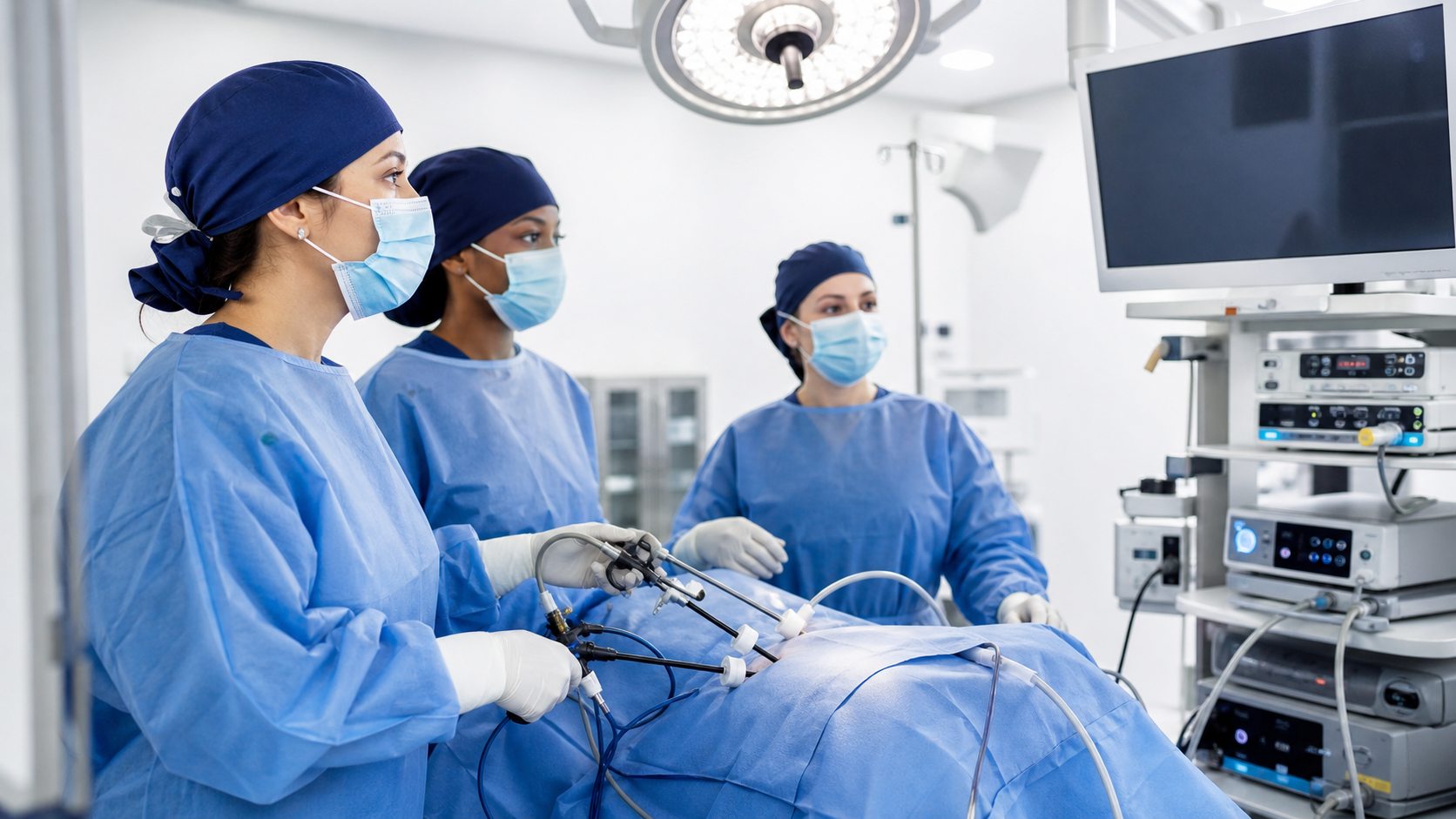
Laparoscopic gynaecology surgery is a minimally invasive surgical technique used to diagnose or treat selected conditions affecting the uterus, ovaries, fallopian tubes, and pelvic organs. It is commonly known as keyhole surgery because it is performed through small incisions rather than one large abdominal cut.
During laparoscopy, a thin camera called a laparoscope is inserted through a small incision, usually near the navel. The camera provides a magnified view of the pelvic organs on a monitor. Additional small incisions may be made to introduce fine surgical instruments.
Laparoscopic surgery may be used for conditions such as uterine fibroids, ovarian cysts, endometriosis, pelvic adhesions, ectopic pregnancy, chronic pelvic pain, infertility-related pelvic problems, and abnormal uterine bleeding. However, not every patient is suitable for laparoscopy. Suitability depends on diagnosis, severity, previous surgeries, fertility plans, age, overall health, imaging findings, and surgical risk.
Dr. Veeramachaneni Srinivas provides advanced laparoscopic surgical expertise in Vijayawada and works with appropriate clinical teams, including the treating gynaecologist where needed, to plan safe and personalized care.
Benefits of Minimally Invasive Gynaecological Surgery
Minimally invasive gynaecology surgery offers several benefits for selected patients when compared with traditional open surgery.
- Smaller Incisions
Laparoscopic surgery uses small cuts, which may reduce wound size and visible scarring.
- Less Pain
Because tissue disruption is usually less than open surgery, many patients experience less post-operative pain.
- Minimal Scarring
Small incision sites often heal with less noticeable scars.
- Shorter Hospital Stay
Many laparoscopic procedures allow shorter admission compared with open surgery, depending on the condition and patient recovery.
- Faster Recovery
Patients may return to routine activities sooner, depending on the type of surgery and doctor’s advice.
- Better Surgical View
The laparoscope provides a magnified view of the pelvic organs, helping the surgeon operate with precision.
- Lower Wound-Related Problems
Smaller cuts may reduce some wound-related issues, though all surgeries still carry risk.
If you are looking for Minimally Invasive Gynaecology Surgery in Vijayawada, book a consultation with Dr. Veeramachaneni Srinivas by calling 083339 44545.
Conditions Treated with Laparoscopic Gynaecology Surgery
- Uterine Fibroids
Uterine fibroids are non-cancerous growths in or around the uterus. Some fibroids cause no symptoms, while others may lead to heavy periods, pelvic pressure, pain, frequent urination, infertility, or pregnancy-related concerns.
Laparoscopic surgery may be considered for selected fibroids depending on their size, number, location, symptoms, and fertility goals. Procedures may include laparoscopic myomectomy, where fibroids are removed while preserving the uterus, or laparoscopic hysterectomy when uterus removal is medically appropriate and the patient has completed family planning.
- Ovarian Cysts
Ovarian cysts are fluid-filled sacs that develop in or on the ovaries. Many cysts resolve naturally, but large, persistent, painful, complex, or suspicious cysts may need surgical evaluation.
Laparoscopic ovarian cyst removal may be performed to remove the cyst while preserving healthy ovarian tissue whenever possible. Surgical planning depends on age, ultrasound findings, cyst type, symptoms, cancer-risk assessment, and fertility needs.
- Endometriosis
Endometriosis occurs when tissue similar to the inner lining of the uterus grows outside the uterus. It may cause painful periods, chronic pelvic pain, pain during intercourse, bowel or bladder discomfort, and infertility.
Laparoscopic surgery may help diagnose and treat selected cases by removing or destroying endometriotic lesions, releasing adhesions, and improving pelvic anatomy. Treatment planning is often coordinated with the treating gynaecologist, especially when fertility or long-term hormonal management is involved.
- Adenomyosis
Adenomyosis occurs when tissue similar to the uterine lining grows into the muscular wall of the uterus. It may cause heavy menstrual bleeding, painful periods, enlarged uterus, pelvic pressure, and chronic pain.
Management may include medicines, hormonal therapy, or surgery. In severe cases where symptoms are not controlled and childbearing is complete, hysterectomy may be discussed. Laparoscopic hysterectomy may be an option for selected patients.
- Pelvic Adhesions
Pelvic adhesions are bands of scar tissue that can form after infection, inflammation, endometriosis, or previous surgery. They may cause pelvic pain, infertility, bowel discomfort, or difficulty during future surgery.
Laparoscopic adhesiolysis involves carefully releasing adhesions to restore pelvic anatomy. This should be planned carefully because adhesions can recur and surgery itself may create new adhesions.
- Ectopic Pregnancy
An ectopic pregnancy occurs when a pregnancy implants outside the uterus, most commonly in the fallopian tube. It can become life-threatening if rupture and internal bleeding occur.
Treatment may be medical or surgical depending on the patient’s condition, pregnancy size, blood test results, ultrasound findings, and emergency status. Laparoscopic ectopic pregnancy surgery may be required in selected cases. Emergency symptoms such as severe abdominal pain, fainting, shoulder pain, heavy bleeding, or dizziness require immediate hospital care.
- Chronic Pelvic Pain
Chronic pelvic pain may be caused by endometriosis, adhesions, ovarian cysts, fibroids, pelvic inflammatory disease, bowel conditions, bladder problems, or nerve-related pain.
Diagnostic laparoscopy may be advised when non-surgical tests do not clearly identify the cause and symptoms continue. Surgical treatment depends on findings during evaluation.
- Infertility-Related Conditions
Some infertility-related problems may involve blocked tubes, endometriosis, adhesions, fibroids, ovarian cysts, or pelvic structural abnormalities. Laparoscopy may help diagnose and treat selected pelvic causes of infertility.
Fertility-related surgery should be planned carefully with the treating gynaecologist or fertility specialist to align surgical decisions with reproductive goals.
- Abnormal Uterine Bleeding
Abnormal uterine bleeding may result from fibroids, adenomyosis, polyps, hormonal imbalance, endometrial changes, or other uterine conditions. When medicines or less invasive procedures are not suitable or do not help, surgery may be considered.
Laparoscopic hysterectomy may be discussed in selected patients with severe symptoms who have completed childbearing and meet surgical criteria.
Common Symptoms That May Require Surgical Evaluation
You should seek medical evaluation if you have:
- Heavy or prolonged menstrual bleeding
- Severe period pain
- Pelvic pain lasting for weeks or months
- Pain during intercourse
- Painful bowel movements during periods
- Abdominal swelling or pelvic pressure
- Frequent urination due to pelvic mass effect
- Difficulty conceiving
- Recurrent ovarian cysts
- Sudden severe lower abdominal pain
- Abnormal bleeding between periods
- Postmenopausal bleeding
- Dizziness or fainting with pelvic pain
- Known fibroids increasing in size
- Persistent symptoms despite medicines
Early diagnosis can help prevent complications and support better treatment outcomes.
When Should You Consult a Laparoscopic Surgeon?
You should consult an advanced laparoscopic surgeon when your gynaecologist advises surgical evaluation, imaging shows fibroids or ovarian cysts needing surgery, symptoms are affecting daily life, or a minimally invasive approach may be possible.
Patients searching for an Advanced Laparoscopic Surgeon in Vijayawada or Best Laparoscopic Surgeon in Vijayawada often want clarity on whether surgery is needed, whether keyhole surgery is possible, and what recovery may involve.
Consult Dr. Veeramachaneni Srinivas if you need expert opinion on selected laparoscopic gynaecology procedures in Vijayawada. Call 083339 44545 to book an appointment.
Diagnostic Evaluation Before Surgery
A complete evaluation is essential before planning laparoscopic surgery. The goal is to confirm the diagnosis, assess surgical suitability, identify risks, and coordinate the treatment plan.
- Ultrasound
Ultrasound is commonly used to evaluate the uterus, ovaries, fibroids, cysts, pelvic masses, endometrial thickness, and possible ectopic pregnancy. Transvaginal or abdominal ultrasound may be recommended depending on the case.
- MRI
MRI may be advised for complex fibroids, suspected adenomyosis, deep endometriosis, complex ovarian lesions, or detailed pelvic mapping before surgery.
- Blood Tests
Blood tests may include complete blood count, pregnancy test, thyroid profile, hormonal tests, infection screening, kidney and liver function, blood sugar, coagulation profile, and tumor markers when indicated.
- Diagnostic Laparoscopy
Diagnostic laparoscopy may be recommended when symptoms persist but imaging is inconclusive. It allows direct visualization of pelvic organs and may help diagnose endometriosis, adhesions, tubal disease, or unexplained pelvic pain. In selected cases, treatment may be performed during the same sitting.
Types of Laparoscopic Gynaecological Procedures
- Laparoscopic Hysterectomy
Laparoscopic hysterectomy is the removal of the uterus using small incisions and laparoscopic instruments. It may be considered for selected cases of fibroids, adenomyosis, abnormal uterine bleeding, chronic pelvic pain, or other uterine conditions when conservative treatment is not appropriate.
Laparoscopic Hysterectomy in Vijayawada with Dr. Veeramachaneni Srinivas is planned after proper evaluation and coordination with the treating gynaecologist when required.
- Laparoscopic Myomectomy
Laparoscopic myomectomy removes fibroids while preserving the uterus. It may be suitable for selected women who have symptomatic fibroids and want to retain the uterus. Suitability depends on fibroid size, number, location, fertility goals, and surgical risk.
- Ovarian Cyst Removal
Laparoscopic ovarian cystectomy removes cysts while trying to preserve ovarian tissue when safe and appropriate. It may be advised for cysts that are persistent, painful, large, recurrent, or concerning on imaging.
- Endometriosis Surgery
Endometriosis surgery may involve excision or ablation of endometriotic lesions, removal of endometriomas, release of adhesions, and restoration of pelvic anatomy. Long-term treatment may also include medical management, especially when pain or fertility issues are involved.
- Adhesiolysis
Adhesiolysis is the surgical release of scar tissue. It may help selected patients with pelvic pain, infertility-related adhesions, or distorted pelvic anatomy.
- Ectopic Pregnancy Surgery
Laparoscopic surgery for ectopic pregnancy may involve removing the ectopic pregnancy and, in some cases, preserving or removing the affected fallopian tube depending on damage, bleeding, and patient stability.
How Laparoscopic Surgery is Performed
Laparoscopic surgery is usually performed under general anaesthesia. The surgeon makes a small incision near the navel and introduces the laparoscope. Carbon dioxide gas is used to gently expand the abdomen, creating space for visualization and safe movement of instruments.
Additional small incisions may be made for surgical tools. The surgeon performs the planned procedure while viewing the internal organs on a monitor. After surgery, instruments are removed, gas is released, and the small incisions are closed.
The duration of surgery depends on the condition, complexity, previous surgeries, adhesions, bleeding risk, and whether additional procedures are required.
Advantages Over Traditional Open Surgery
Compared with open surgery, laparoscopic surgery may offer:
- Smaller cuts
- Less post-operative pain
- Lower visible scarring
- Shorter hospital stay
- Faster return to daily life
- Better magnified visualization
- Reduced wound discomfort
- Earlier mobility
- Improved cosmetic outcome
However, open surgery may still be safer or necessary in some cases, such as very large masses, suspected cancer, severe adhesions, uncontrolled bleeding, or complex anatomy. The safest surgical approach is decided after evaluation.
Preparation Before Surgery
Preparation may include:
- Consultation with Dr. Veeramachaneni Srinivas
- Review by the treating gynaecologist when appropriate
- Ultrasound, MRI, or other imaging
- Blood tests and fitness assessment
- Anaesthesia evaluation
- Medication review, especially blood thinners and diabetes medicines
- Fasting instructions
- Bowel or bladder preparation if advised
- Discussion of fertility goals
Consent discussion about benefits, risks, alternatives, and possibility of conversion to open surgery
Patients should inform the doctor about pregnancy possibility, allergies, previous surgeries, bleeding disorders, heart disease, diabetes, thyroid disease, hypertension, kidney disease, and current medicines.
Recovery After Laparoscopic Gynaecology Surgery
Recovery depends on the type of surgery and the patient’s overall health. Many patients are encouraged to walk early after surgery to reduce the risk of clots and support recovery.
You may experience mild abdominal pain, shoulder tip pain, bloating, tiredness, nausea, or incision discomfort. These usually improve gradually. Follow-up is important to review healing, biopsy reports if taken, and further treatment.
General recovery advice may include:
- Take medicines as prescribed
- Keep incision sites clean and dry
- Avoid heavy lifting until cleared
- Walk gently as advised
- Eat a healthy diet and drink fluids
- Avoid driving until medically cleared
- Attend follow-up appointments
Report fever, severe pain, heavy bleeding, wound discharge, breathing difficulty, or leg swelling immediately
Call 083339 44545 for consultation and post-operative guidance with Dr. Veeramachaneni Srinivas in Vijayawada.
Risks of Delaying Treatment
Delaying treatment for significant gynaecological conditions may worsen symptoms and increase complications. Heavy bleeding may lead to anemia and weakness. Large fibroids may cause pressure symptoms. Endometriosis may progress and affect quality of life. Ovarian cysts may enlarge, twist, rupture, or cause severe pain. Ectopic pregnancy can become life-threatening.
Timely evaluation helps determine whether medicines, monitoring, fertility treatment, or surgery is the best option.
Possible Complications of Untreated Gynaecological Conditions
Untreated or poorly monitored conditions may lead to:
- Severe anemia from heavy bleeding
- Worsening pelvic pain
- Infertility or reduced fertility potential
- Ovarian torsion
- Cyst rupture
- Internal bleeding in ectopic pregnancy
- Adhesion-related pain
- Bowel or bladder pressure
- Recurrent hospital visits
- Reduced quality of life
- Need for more complex surgery later
Early diagnosis and treatment planning can help reduce these risks.
Why Choose Dr. Veeramachaneni Srinivas for Laparoscopic Surgery in Vijayawada?
Dr. Veeramachaneni Srinivas is an Advanced Gastro & Laparoscopic Surgeon with qualifications including MS, PDCC, FMAS, and FIAGES. He offers advanced minimally invasive surgical care for selected abdominal and pelvic conditions.
Patients choose Dr. Veeramachaneni Srinivas for:
- Experience in advanced laparoscopic surgery
- Patient-centered surgical planning
- Minimally invasive approach where suitable
- Careful evaluation of surgical risks
- Coordination with treating gynaecologists when appropriate
- Clear communication before and after surgery
- Focus on smaller incisions, less pain, minimal scarring, and faster recovery
- Local access for patients in Vijayawada and nearby areas
If you are searching for Laparoscopic Gynaecology Surgery in Vijayawada, Laparoscopic Hysterectomy in Vijayawada, or Best Laparoscopic Surgeon in Vijayawada, consult Dr. Veeramachaneni Srinivas.
Advanced Technology and Patient-Centered Care
Successful laparoscopic surgery requires surgical skill, appropriate technology, safe anaesthesia support, infection-control practices, and clear patient education.
Dr. Veeramachaneni Srinivas emphasizes:
- Accurate diagnosis before surgery
- Proper patient selection
- Advanced laparoscopic visualization
- Small-incision surgical technique
- Safety-focused operating protocols
- Post-operative monitoring
Recovery guidance
- Follow-up care
- Coordination with the treating gynaecologist for selected gynaecological conditions
Patients from Vijayawada, Benz Circle, Governorpet, Patamata, Kanuru, Bhavanipuram, Gannavaram, Mangalagiri, and nearby Andhra Pradesh areas can call 083339 44545 to schedule a consultation.
Frequently Asked Questions
It is a minimally invasive surgical technique used to diagnose or treat selected conditions involving the uterus, ovaries, fallopian tubes, and pelvic organs through small incisions and a camera.
No. Suitability depends on diagnosis, disease severity, imaging findings, fertility goals, previous surgeries, and overall health.
Dr. Veeramachaneni Srinivas, Advanced Gastro & Laparoscopic Surgeon, performs selected minimally invasive procedures and coordinates with the treating gynaecologist when appropriate.
Selected cases of fibroids, ovarian cysts, endometriosis, pelvic adhesions, ectopic pregnancy, chronic pelvic pain, infertility-related conditions, and abnormal bleeding may be treated.
Laparoscopic hysterectomy is removal of the uterus through small incisions using a laparoscope and specialized instruments.
It is performed under anaesthesia. After surgery, pain is usually managed with medicines and is often less than open surgery in suitable cases.
Recovery varies by procedure. Some patients recover within a few weeks, while major procedures like hysterectomy may take longer. Your doctor will give personalized advice.
In selected patients, laparoscopic myomectomy can remove fibroids while preserving the uterus.
Yes, many ovarian cysts can be removed laparoscopically if they are suitable based on size, type, and cancer-risk assessment.
Laparoscopy may help diagnose or treat selected infertility-related pelvic conditions such as adhesions, endometriosis, or tubal disease.
It may offer smaller incisions, less pain, minimal scarring, shorter hospital stay, and faster recovery in selected cases. Open surgery may still be safer for some patients.
Ultrasound, MRI, blood tests, pregnancy test, anaesthesia evaluation, and diagnostic laparoscopy may be advised depending on the condition.
Yes, selected ectopic pregnancies may be treated with laparoscopic surgery. Ruptured ectopic pregnancy is an emergency and needs immediate care.
Call 083339 44545 to schedule a consultation with Dr. Veeramachaneni Srinivas in Vijayawada.
Yes. For selected gynaecological conditions, evaluation and treatment planning are done in coordination with the treating gynaecologist when appropriate.
Laparoscopic gynaecology surgery is a minimally invasive surgical technique that can help diagnose and treat selected conditions such as fibroids, ovarian cysts, endometriosis, pelvic adhesions, ectopic pregnancy, chronic pelvic pain, infertility-related pelvic conditions, and abnormal uterine bleeding.
Dr. Veeramachaneni Srinivas, MS, PDCC, FMAS, FIAGES, Advanced Gastro & Laparoscopic Surgeon in Vijayawada, provides expert laparoscopic surgical care with careful patient selection and coordination with the treating gynaecologist when needed.
If you are looking for Laparoscopic Gynaecology Surgery in Vijayawada, Gynaecological Laparoscopy in Vijayawada, Minimally Invasive Gynaecology Surgery in Vijayawada, Laparoscopic Hysterectomy in Vijayawada, or Advanced Laparoscopic Surgery in Vijayawada, book your consultation today.
Do not delay evaluation for heavy bleeding, pelvic pain, fibroids, Hernias, ovarian cysts, endometriosis, or suspected ectopic pregnancy. Early diagnosis and timely treatment can improve comfort, reduce complications, and support better outcomes.
Call 083339 44545 today to schedule a consultation with Dr. Veeramachaneni Srinivas in Vijayawada.