Emergency GI Surgery
Expert evaluation and patient-centred treatment using modern surgical planning and minimally invasive techniques where appropriate.
Key Benefits
Minimal Scars
Discomfort
Shorter Stay
Infection
Daily Activities
Emergency GI surgery supports urgent evaluation and treatment for severe abdominal pain, appendicitis, obstruction, perforation, bleeding, and acute abdominal conditions.
Emergency GI Surgery
Severe abdominal pain, vomiting, abdominal swelling, black stools, rectal bleeding, fever with abdominal pain, or a painful hernia can be signs of a serious gastrointestinal emergency. Some digestive system emergencies progress quickly and may become life-threatening without timely diagnosis and surgical treatment.
If you are searching for Emergency GI Surgery in Vijayawada, Emergency Abdominal Surgery in Vijayawada, an Emergency Gastro Surgeon in Vijayawada, a GI Surgeon in Vijayawada, or the Best Gastroenterologist in Vijayawada, Dr. Veeramachaneni Srinivas provides expert evaluation and surgical care for urgent gastrointestinal conditions.
Dr. Veeramachaneni Srinivas, MS, PDCC, FMAS, FIAGES, is an Advanced Gastro & Laparoscopic Surgeon in Vijayawada experienced in managing complex abdominal and gastrointestinal surgical emergencies. He evaluates and treats conditions such as acute appendicitis, intestinal obstruction, perforated stomach or intestine, strangulated hernia, acute cholecystitis, peritonitis, abdominal trauma, complicated diverticulitis, GI bleeding, and emergency colorectal conditions.
Patients from Vijayawada and nearby areas such as Benz Circle, Governorpet, Patamata, Auto Nagar, Gollapudi, Tadepalli, Mangalagiri, and Guntur can seek timely expert care.
For emergency consultation or appointment assistance, call 083339 44545. If symptoms are severe or life-threatening, visit the nearest emergency hospital immediately.
What is Emergency GI Surgery?
Emergency GI surgery is urgent surgical treatment for serious conditions affecting the digestive system. The gastrointestinal system includes the stomach, small intestine, large intestine, rectum, appendix, gallbladder, bile ducts, liver, pancreas, and abdominal cavity.
Emergency GI surgery may be needed when a disease suddenly worsens, blocks the intestine, causes internal bleeding, leads to infection inside the abdomen, cuts off blood supply to the bowel, or results in perforation of an organ. These conditions may not safely wait for routine appointment scheduling.
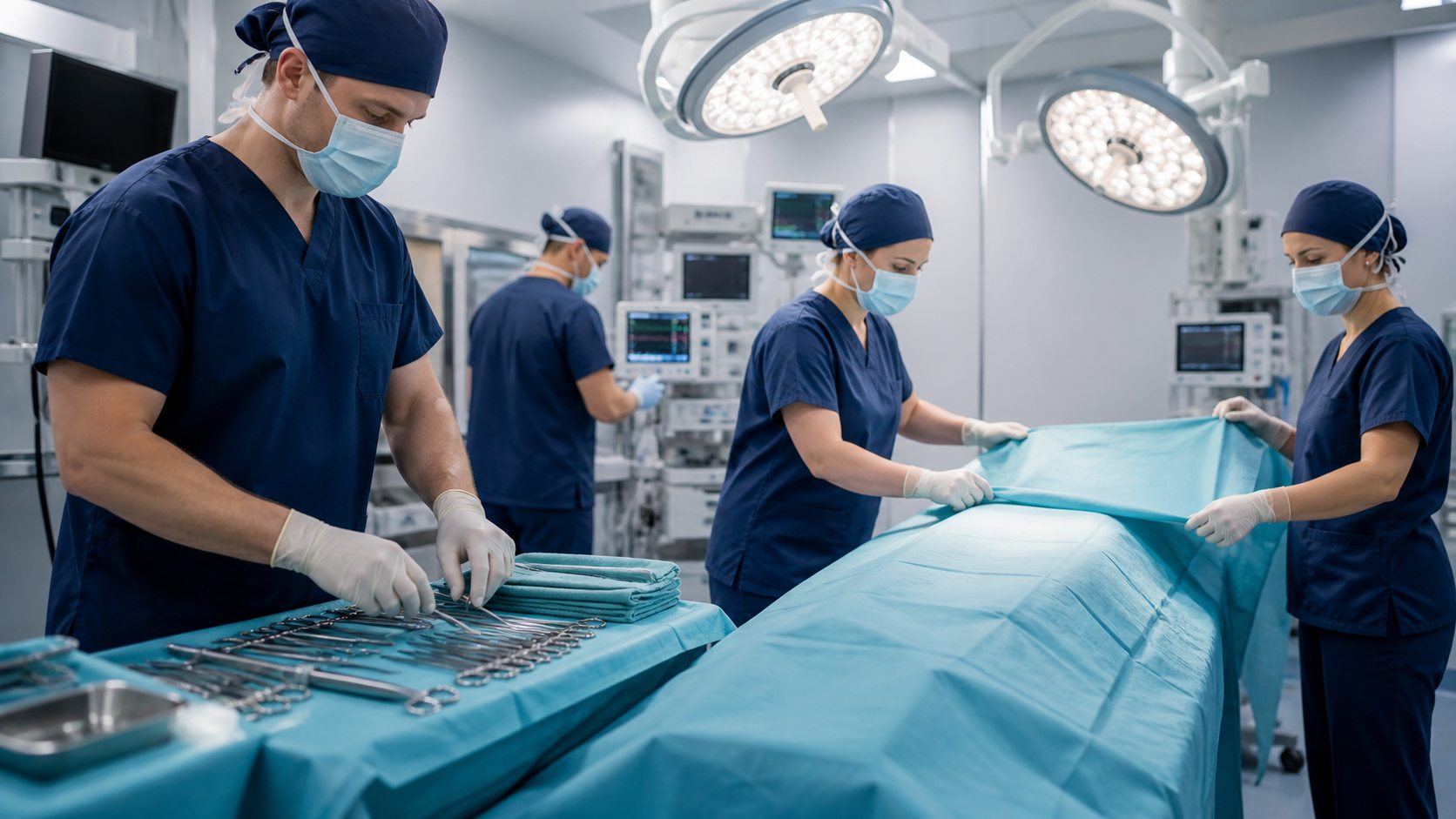
Emergency gastrointestinal surgery focuses on quick diagnosis, stabilization, source control, infection management, bleeding control, removal of diseased tissue when needed, and prevention of life-threatening complications.
Depending on the condition, surgery may be performed through open surgery or minimally invasive laparoscopic techniques. The safest approach is chosen based on the patient’s condition, disease severity, available investigations, and emergency risk.
- Understanding Gastrointestinal Emergencies
A gastrointestinal emergency occurs when a digestive system condition needs immediate medical or surgical attention. Unlike routine digestive problems, GI emergencies can worsen within hours.
Common examples include appendicitis, intestinal obstruction, perforation, strangulated hernia, gallbladder infection, internal bleeding, bowel ischemia, and peritonitis. These conditions can cause severe pain, infection, shock, organ damage, or sepsis if not treated promptly.
Many patients initially mistake emergency symptoms for acidity, food poisoning, gas trouble, constipation, or indigestion. However, persistent or severe abdominal symptoms should not be ignored.
Early evaluation by an experienced Emergency Gastro Surgeon in Vijayawada can help identify whether the condition needs medicines, endoscopy, interventional care, laparoscopy, or emergency surgery.
- Conditions Requiring Emergency GI Surgery
- Acute Appendicitis
Acute appendicitis is inflammation of the appendix. It commonly causes pain that may start around the belly button and shift to the lower right abdomen. Pain may worsen with walking, coughing, or movement. Nausea, vomiting, fever, and loss of appetite may occur.
Emergency appendectomy may be required to prevent rupture, abscess, peritonitis, or sepsis.
- Intestinal Obstruction
Intestinal obstruction occurs when the bowel is blocked and food, fluid, stool, or gas cannot pass normally. Symptoms may include crampy abdominal pain, vomiting, bloating, constipation, and inability to pass gas.
Emergency bowel surgery may be required if there is complete obstruction, strangulation, perforation, or bowel damage.
- Perforated Stomach or Intestine
A perforation means a hole has developed in the stomach or intestine. This can allow digestive contents to leak into the abdomen, causing severe infection and peritonitis.
Common causes include ulcers, trauma, diverticulitis, cancer, infection, obstruction, or inflammatory disease. Perforation repair surgery is often urgent.
- Gastrointestinal Bleeding
GI bleeding may occur from ulcers, varices, tumors, diverticular disease, inflammatory bowel disease, trauma, or other causes. Symptoms may include vomiting blood, black stools, fresh blood in stool, dizziness, fainting, weakness, or shock.
Some cases are managed with endoscopy, while others may need urgent surgery if bleeding is severe or uncontrolled.
- Strangulated Hernia
A strangulated hernia occurs when tissue or intestine becomes trapped in a hernia and loses blood supply. This is a surgical emergency.
Warning signs include severe pain, swelling, redness, vomiting, fever, constipation, and inability to push the hernia back in.
- Bowel Ischemia
Bowel ischemia occurs when blood supply to part of the intestine is reduced or blocked. It can cause severe abdominal pain, vomiting, bloody stools, and shock. Emergency treatment is critical to prevent bowel death and life-threatening infection.
- Abdominal Trauma
Road accidents, falls, blunt injury, or penetrating injury can damage abdominal organs such as the intestine, liver, spleen, pancreas, stomach, or blood vessels. Emergency evaluation and surgery may be needed if there is internal bleeding or organ injury.
- Acute Cholecystitis
Acute cholecystitis is sudden inflammation of the gallbladder, often due to gallstones blocking bile flow. Symptoms may include right upper abdominal pain, fever, vomiting, and tenderness. Emergency gallbladder surgery may be needed in selected patients.
- Peritonitis
Peritonitis is infection or inflammation of the lining inside the abdomen. It may occur due to perforation, burst appendix, infected gallbladder, bowel injury, or abdominal infection. It can become life-threatening without immediate treatment.
- Complicated Diverticulitis
Diverticulitis occurs when small pouches in the colon become inflamed or infected. Complicated diverticulitis may cause abscess, perforation, fistula, or obstruction. Emergency colorectal surgery may be required in severe cases.
- Emergency Colorectal Conditions
Emergency colorectal problems include bowel obstruction, perforated colon, severe rectal bleeding, toxic colitis, volvulus, complicated inflammatory bowel disease, and colorectal cancer obstruction. These conditions require prompt specialist care.
- Warning Signs That Need Immediate Medical Attention
Do not wait if you or a family member develops warning signs of a GI emergency.
Seek immediate medical care for:
- Severe abdominal pain
- Pain that worsens rapidly
- Abdominal swelling or hardness
- Persistent vomiting
- Vomiting blood
- Black or tarry stools
- Fresh rectal bleeding
- Fever with abdominal pain
- Inability to pass stool or gas
- Painful hernia swelling
- Hernia that cannot be pushed back
- Dizziness or fainting
- Weakness with bleeding
- Jaundice with fever or pain
- Severe pain after injury or accident
- Confusion, low urine output, or shock symptoms
For urgent GI surgical guidance in Vijayawada, call 083339 44545. For severe or life-threatening symptoms, go to the nearest emergency hospital immediately.
- Causes and Risk Factors
GI emergencies can develop suddenly or as complications of existing disease.
Common causes and risk factors include:
- Untreated appendicitis
- Long-standing hernia
- Gallstones
- Peptic ulcer disease
- Previous abdominal surgery
- Adhesions causing bowel obstruction
- Abdominal trauma
- Inflammatory bowel disease
- Diverticular disease
- Colon or stomach tumors
- Severe infection
- Blood vessel blockage
- Diabetes
- Older age
- Smoking and alcohol use
- Use of painkillers without medical advice
- Delayed treatment of abdominal symptoms
- Liver disease or bleeding disorders
Not every patient with these risks develops an emergency. However, symptoms such as severe pain, vomiting, fever, bleeding, or abdominal swelling should be evaluated immediately.
When to Visit an Emergency GI Surgeon?
You should visit an emergency GI surgeon when abdominal symptoms are severe, sudden, progressive, or associated with bleeding, fever, vomiting, swelling, or weakness.
Consult Dr. Veeramachaneni Srinivas if you have:
- Suspected appendicitis
- Suspected intestinal obstruction
- Hernia with severe pain
- Gallbladder infection symptoms
- Severe abdominal infection
- Bowel perforation concern
- Persistent vomiting with abdominal pain
- GI bleeding symptoms
- Abdominal trauma
- Suspected peritonitis
- Complicated diverticulitis
- Emergency colorectal symptoms
- Severe abdominal pain not improving
Patients searching for Emergency GI Surgery in Vijayawada, Gastrointestinal Surgery in Vijayawada, General Surgery in Vijayawada, or an Emergency Gastro Surgeon in Vijayawada can contact 083339 44545 for expert consultation support.
- Emergency Evaluation and Diagnosis
Emergency GI diagnosis is focused on quickly identifying the cause, severity, and treatment pathway. The patient may first need stabilization with fluids, pain relief, antibiotics, blood transfusion, or monitoring.
- Physical Examination
The surgeon examines abdominal tenderness, swelling, guarding, rigidity, hernia swelling, bowel sounds, fever, blood pressure, pulse, and signs of shock.
- Blood Tests
Blood tests may include complete blood count, infection markers, kidney function, liver function, electrolytes, blood sugar, clotting profile, pancreatic enzymes, and blood grouping.
- Ultrasound
Ultrasound can help detect appendicitis, gallbladder inflammation, fluid collections, abscess, gallstones, and some abdominal causes of pain.
- CT Scan
CT scan is often important in emergency abdominal conditions. It helps identify obstruction, perforation, appendicitis, diverticulitis, trauma injury, abscess, ischemia, or tumor-related complications.
- MRI
MRI may be used in selected cases, especially when specific soft tissue, liver, bile duct, pelvic, or pregnancy-related considerations are involved.
- Endoscopy
Endoscopy may be required for suspected upper GI bleeding, ulcers, obstruction, foreign body, or selected stomach and intestinal conditions.
- Diagnostic Laparoscopy
Diagnostic laparoscopy may be used when the cause of abdominal emergency is unclear or when minimally invasive treatment is possible at the same time.
- Emergency GI Surgical Procedures
- Emergency Appendectomy
Emergency appendectomy is surgery to remove an inflamed appendix. It may be performed laparoscopically or by open surgery depending on the condition and complications.
- Emergency Bowel Surgery
Emergency bowel surgery may be needed for obstruction, strangulation, ischemia, perforation, tumors, trauma, or severe infection. The surgeon may remove damaged bowel, repair injury, or create a stoma when necessary.
- Perforation Repair Surgery
Perforation repair involves closing a hole in the stomach or intestine and cleaning the abdominal cavity. Antibiotics, drainage, and intensive monitoring may be needed.
- Emergency Hernia Surgery
Emergency hernia surgery is performed for obstructed or strangulated hernias. The trapped tissue is released, blood supply is assessed, and the hernia defect is repaired. If bowel is damaged, bowel resection may be needed.
- Emergency Gallbladder Surgery
Emergency gallbladder surgery may be required for acute cholecystitis, gallbladder infection, gangrene, perforation, or complications of gallstones.
- Trauma Surgery
Trauma surgery may involve repair of injured intestine, control of internal bleeding, removal of damaged tissue, drainage, or treatment of abdominal organ injury.
- Laparoscopic Emergency Procedures
In selected emergencies, laparoscopic surgery may be used for appendicitis, gallbladder infection, diagnostic evaluation, perforation repair, or selected bowel conditions. The surgeon decides based on patient stability and disease severity.
Benefits of Early Emergency Surgical Intervention
Timely emergency surgical care can make a major difference in patient outcomes.
Benefits include:
- Faster diagnosis
- Early infection control
- Prevention of perforation or spread of infection
- Reduced risk of bowel damage
- Lower risk of sepsis
- Better chance of minimally invasive treatment in selected cases
- Shorter and smoother recovery in many patients
- Reduced need for complex emergency procedures
- Improved safety through planned stabilization
- Better pain control and monitoring
Early care is especially important for appendicitis, bowel obstruction, strangulated hernia, perforation, GI bleeding, and peritonitis.
- Minimally Invasive Emergency GI Surgery
Minimally invasive emergency GI surgery uses small incisions, a laparoscope, and specialized instruments to treat selected emergency conditions.
- When Laparoscopy May Be Used
Laparoscopy may be considered for:
- Acute appendicitis
- Acute cholecystitis
- Diagnostic evaluation of acute abdomen
- Selected perforation repairs
- Selected bowel obstruction cases
- Some emergency colorectal conditions
- Abdominal infection washout in selected cases
- Potential Advantages
- Smaller incisions
- Less wound discomfort in suitable cases
- Better cosmetic outcome
- Magnified internal view
- Faster mobilization
- Shorter hospital stay in selected patients
- Earlier return to routine activity
However, open surgery may be safer in unstable patients, severe infection, major bleeding, advanced obstruction, complex trauma, or extensive contamination. Patient safety always comes first.
- What to Expect Before and After Emergency Surgery
Emergency surgery can feel overwhelming for patients and families. Dr. Veeramachaneni Srinivas focuses on clear communication and practical guidance.
- Before Surgery
Before emergency surgery, the team may perform examination, blood tests, imaging, IV fluids, antibiotics, pain relief, catheter placement, nasogastric tube placement, blood transfusion if needed, and anesthesia evaluation.
The surgeon explains the diagnosis, urgency, surgical options, risks, expected recovery, and possible need for bowel resection, drain, ICU care, or stoma depending on the condition.
- After Surgery
After surgery, patients are monitored for pain, fever, blood pressure, urine output, bowel function, wound healing, infection, bleeding, and recovery progress. Some patients may need ICU care depending on severity.
Diet is restarted gradually. Walking begins when safe. Medicines, wound care, breathing exercises, and follow-up instructions are explained before discharge.
Recovery and Post-Operative Care
Recovery depends on the emergency condition, procedure type, patient age, infection severity, and overall health.
- Hospital Care
Patients may need IV antibiotics, fluids, pain control, drain monitoring, blood tests, imaging follow-up, and nutritional support.
Diet Progression
Food may be delayed until bowel function returns. Diet may begin with liquids and progress to soft food and normal diet as advised.
- Wound Care
Keep the wound clean and dry. Watch for redness, pus, swelling, fever, or increasing pain.
- Activity
Walking is encouraged when medically safe. Heavy lifting and strenuous activity should be avoided until the surgeon permits.
Follow-Up
Follow-up is important to review wound healing, biopsy reports if any, drain removal, diet, medications, and further treatment needs.
- Warning Signs After Discharge
Call the doctor if you develop fever, severe pain, vomiting, abdominal swelling, wound discharge, bleeding, jaundice, breathing difficulty, black stools, or inability to pass stool or gas.
Risks of Delaying Emergency Treatment
Delaying emergency GI care can be dangerous. Some abdominal emergencies can progress rapidly.
Risks include:
- Appendix rupture
- Widespread abdominal infection
- Bowel death due to loss of blood supply
- Sepsis
- Shock
- Severe dehydration
- Kidney injury
- Uncontrolled bleeding
- Perforation
- Abscess formation
- Emergency stoma requirement
- ICU admission
- Longer hospital stay
- Higher surgical risk
- Life-threatening complications
Do not wait for severe abdominal symptoms to settle on their own. Early medical evaluation is safer.
- Potential Complications of Untreated GI Emergencies
Untreated gastrointestinal emergencies may lead to:
- Peritonitis
- Sepsis
- Internal bleeding
- Bowel obstruction
- Bowel perforation
- Gangrene of intestine
- Abscess
- Multi-organ dysfunction
- Severe dehydration
- Blood pressure collapse
- Emergency ICU care
- Prolonged recovery
- Death in severe cases
Prompt diagnosis and surgical care can prevent avoidable complications and improve the chance of recovery.
Why Choose Dr. Veeramachaneni Srinivas for Emergency GI Surgery in Vijayawada?
Dr. Veeramachaneni Srinivas is an Advanced Gastro & Laparoscopic Surgeon with qualifications including MS, PDCC, FMAS, and FIAGES. He provides evaluation and surgical care for urgent and complex gastrointestinal conditions.
Expertise in Emergency Gastrointestinal Surgery
Dr. Veeramachaneni Srinivas manages emergency abdominal conditions such as appendicitis, obstruction, perforation, peritonitis, strangulated hernia, gallbladder infection, trauma, and emergency colorectal problems.
- Advanced Gastro & Laparoscopic Surgical Skills
Where suitable, minimally invasive laparoscopic techniques may be used for emergency treatment, helping reduce incision size and support recovery.
- Quick Decision-Making
Emergency GI surgery requires fast diagnosis, careful judgment, and timely intervention. Dr. Veeramachaneni Srinivas focuses on patient safety and evidence-based decision-making.
- Patient and Family Communication
During emergencies, families need clear explanations. Dr. Veeramachaneni Srinivas explains the diagnosis, urgency, surgery, risks, and recovery in understandable language.
- Local Access in Vijayawada
Patients from Vijayawada, Benz Circle, Governorpet, Patamata, Auto Nagar, Gollapudi, Tadepalli, Mangalagiri, and Guntur can seek expert emergency GI surgical consultation closer to home.
- Comprehensive Surgical Care
Care includes emergency evaluation, surgical treatment, post-operative monitoring, wound care, diet guidance, and follow-up.
If you are searching for Emergency GI Surgery in Vijayawada, Emergency Abdominal Surgery in Vijayawada, or a GI Surgeon in Vijayawada, contact 083339 44545.
- Advanced Surgical Expertise and Emergency Care
Emergency GI surgery requires more than operating skill. It needs a structured approach to diagnosis, stabilization, anesthesia safety, infection control, surgical precision, and recovery monitoring.
Dr. Veeramachaneni Srinivas focuses on:
- Rapid emergency assessment
- Accurate diagnosis
- Timely surgical decision-making
- Open and laparoscopic emergency options
- Infection and bleeding control
- Patient stabilization before surgery
- Safe post-operative monitoring
- ICU coordination when required
Diet and recovery planning
- Family counseling
The goal is to provide safe, ethical, timely, and patient-centered emergency GI surgical care in Vijayawada.
Frequently Asked Questions
Emergency GI surgery is urgent surgery for serious digestive system conditions such as appendicitis, bowel obstruction, perforation, strangulated hernia, GI bleeding, trauma, or peritonitis.
An emergency gastro surgeon is a specialist trained to evaluate and surgically treat urgent abdominal and gastrointestinal conditions.
Seek emergency care if abdominal pain is severe, worsening, associated with fever, vomiting, bleeding, swelling, fainting, trauma, or inability to pass stool or gas.
Yes. Appendicitis can worsen and may rupture if treatment is delayed. Prompt evaluation is important.
Symptoms may include crampy abdominal pain, vomiting, bloating, constipation, and inability to pass gas or stool.
A painful hernia that cannot be pushed back, especially with vomiting, fever, redness, or constipation, may be strangulated and needs urgent care.
Peritonitis is infection or inflammation inside the abdominal cavity. It can occur due to perforation, ruptured appendix, bowel injury, or severe infection.
Yes, selected emergency procedures may be done laparoscopically. Suitability depends on patient stability, diagnosis, and disease severity.
Emergency bowel surgery treats urgent bowel conditions such as obstruction, perforation, ischemia, trauma, or severe infection.
No. Some GI bleeding is treated with medicines or endoscopy. Surgery may be needed if bleeding is severe, recurrent, or uncontrolled.
Tests may include physical examination, blood tests, ultrasound, CT scan, MRI, endoscopy, and diagnostic laparoscopy depending on the condition.
Recovery depends on the condition, procedure, infection severity, and patient health. Some patients need longer hospital stay and close follow-up.
Yes. Delay can lead to perforation, sepsis, bowel death, shock, ICU admission, and life-threatening complications.
Dr. Veeramachaneni Srinivas, MS, PDCC, FMAS, FIAGES, is an Advanced Gastro & Laparoscopic Surgeon providing emergency GI surgical care in Vijayawada.
For emergency GI surgical consultation in Vijayawada, call 083339 44545. If symptoms are severe or life-threatening, go to the nearest emergency hospital immediately.
Emergency gastrointestinal conditions can progress quickly and may become life-threatening if treatment is delayed. Severe abdominal pain, vomiting, fever, bleeding, painful hernia, abdominal swelling, trauma, or inability to pass stool or gas should be taken seriously.
Dr. Veeramachaneni Srinivas, MS, PDCC, FMAS, FIAGES, provides advanced emergency gastrointestinal surgical care in Vijayawada. Whether you are searching for Emergency GI Surgery in Vijayawada, Gastrointestinal Surgery in Vijayawada, Emergency Gastro Surgeon in Vijayawada, Emergency Abdominal Surgery in Vijayawada, GI Surgeon in Vijayawada, or the Best Gastroenterologist in Vijayawada, timely expert evaluation can help prevent serious complications.
Do not delay care for severe abdominal pain, vomiting, bleeding, painful hernia, suspected appendicitis, bowel obstruction, perforation, or abdominal trauma.
For emergency GI surgical consultation with Dr. Veeramachaneni Srinivas, Advanced Gastro & Laparoscopic Surgeon in Vijayawada, call 083339 44545.
For severe or life-threatening symptoms, visit the nearest emergency hospital immediately.